Trapped - Mental Illness in Prison
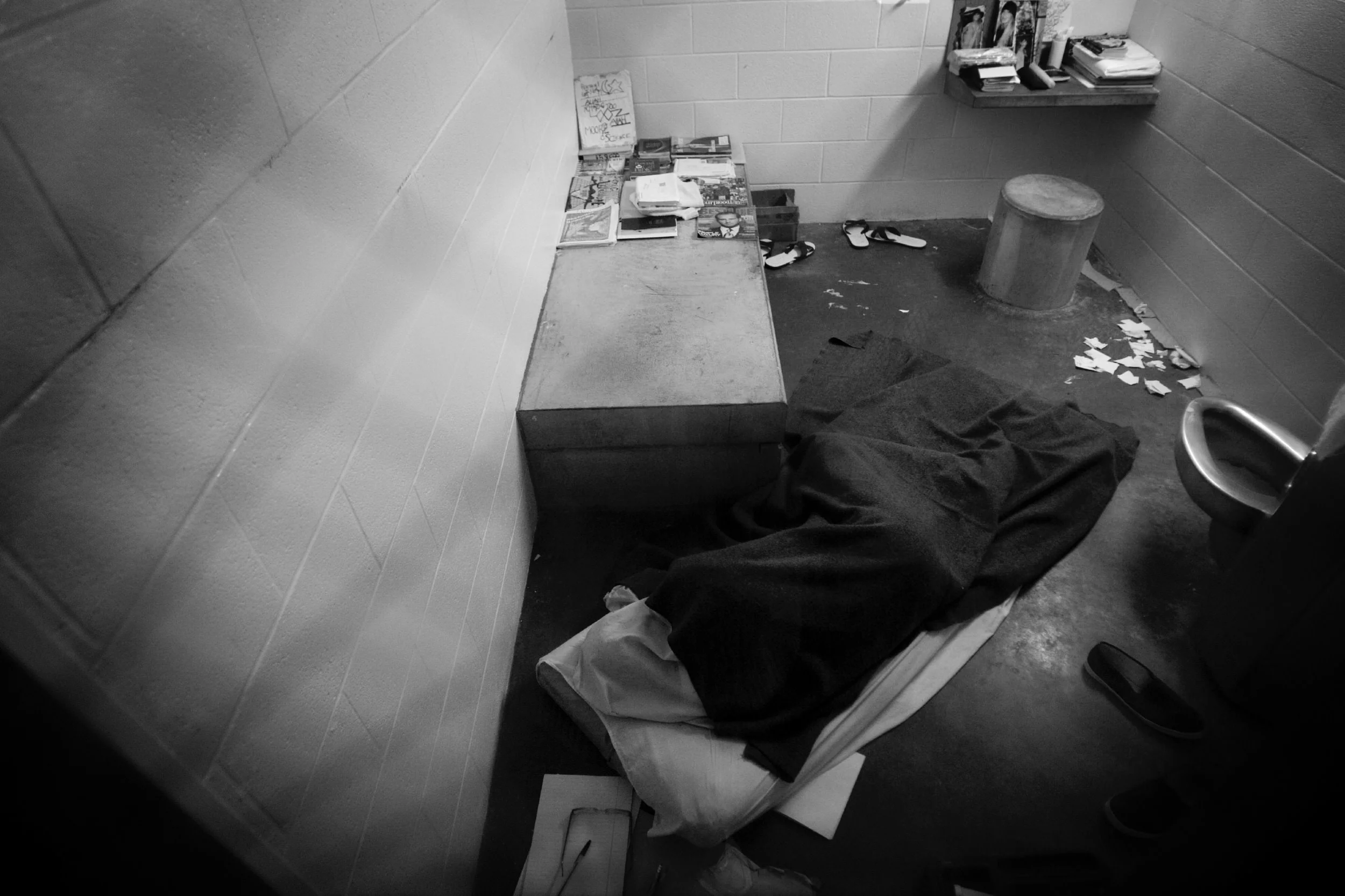
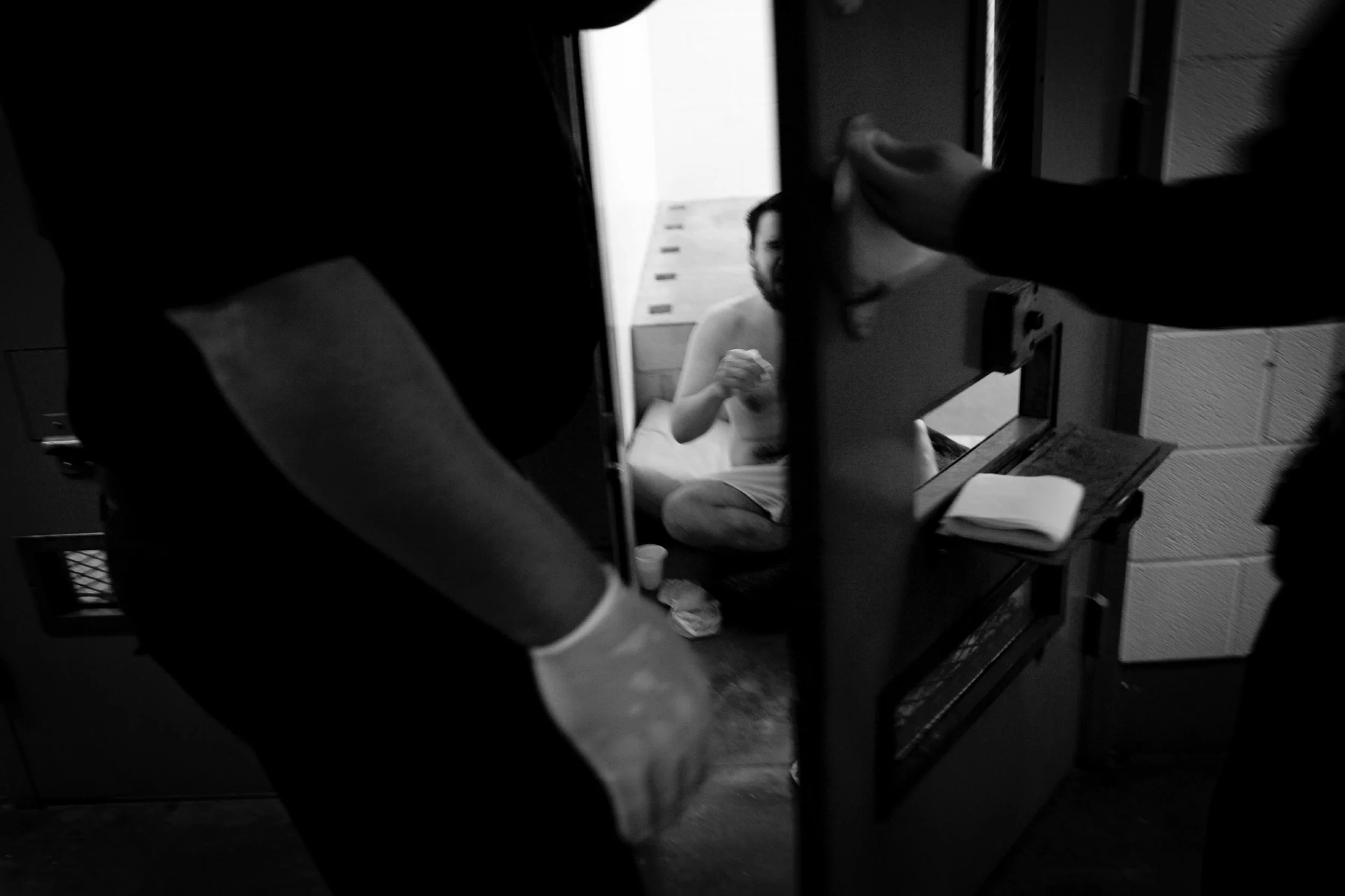
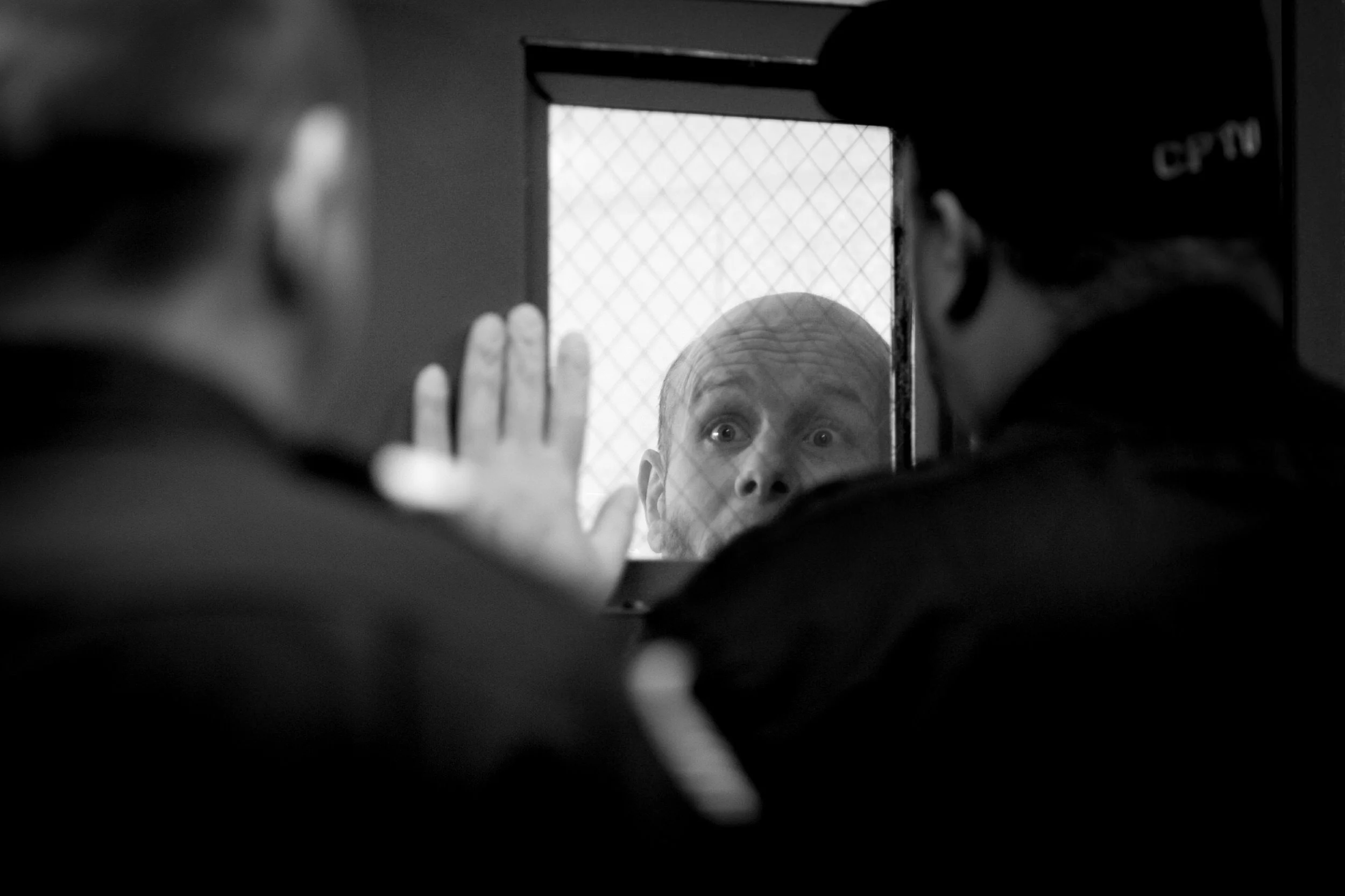
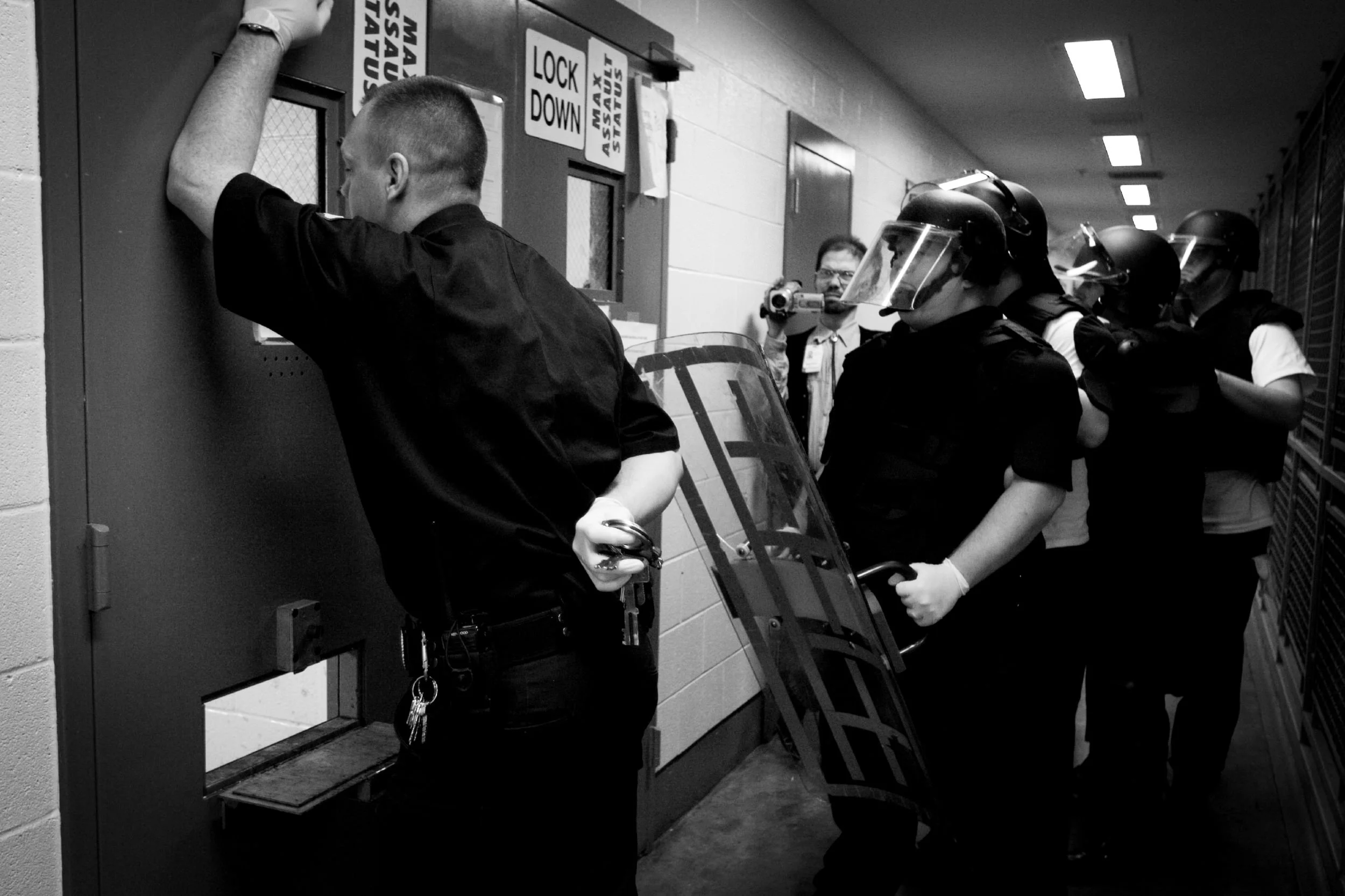
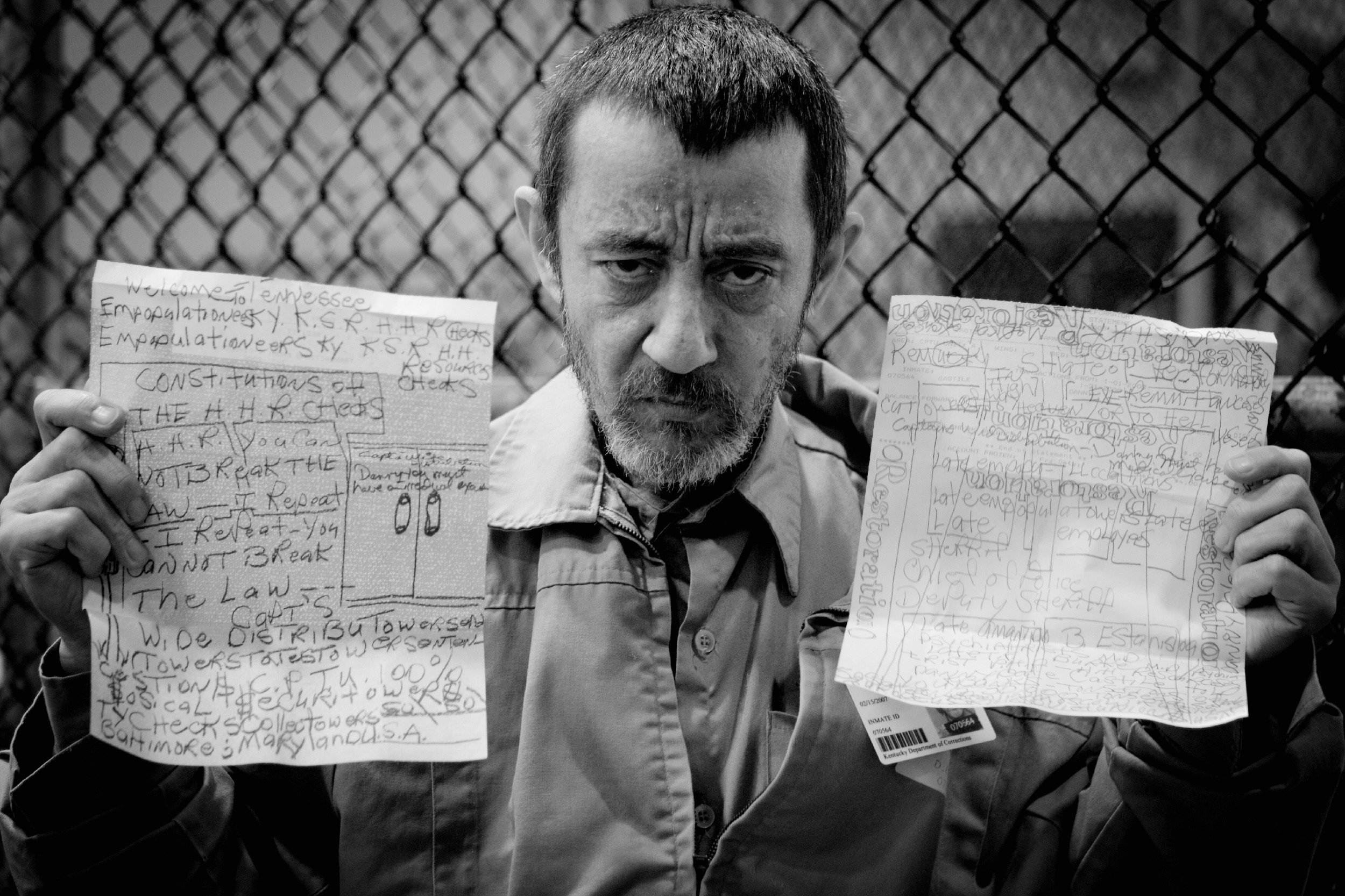
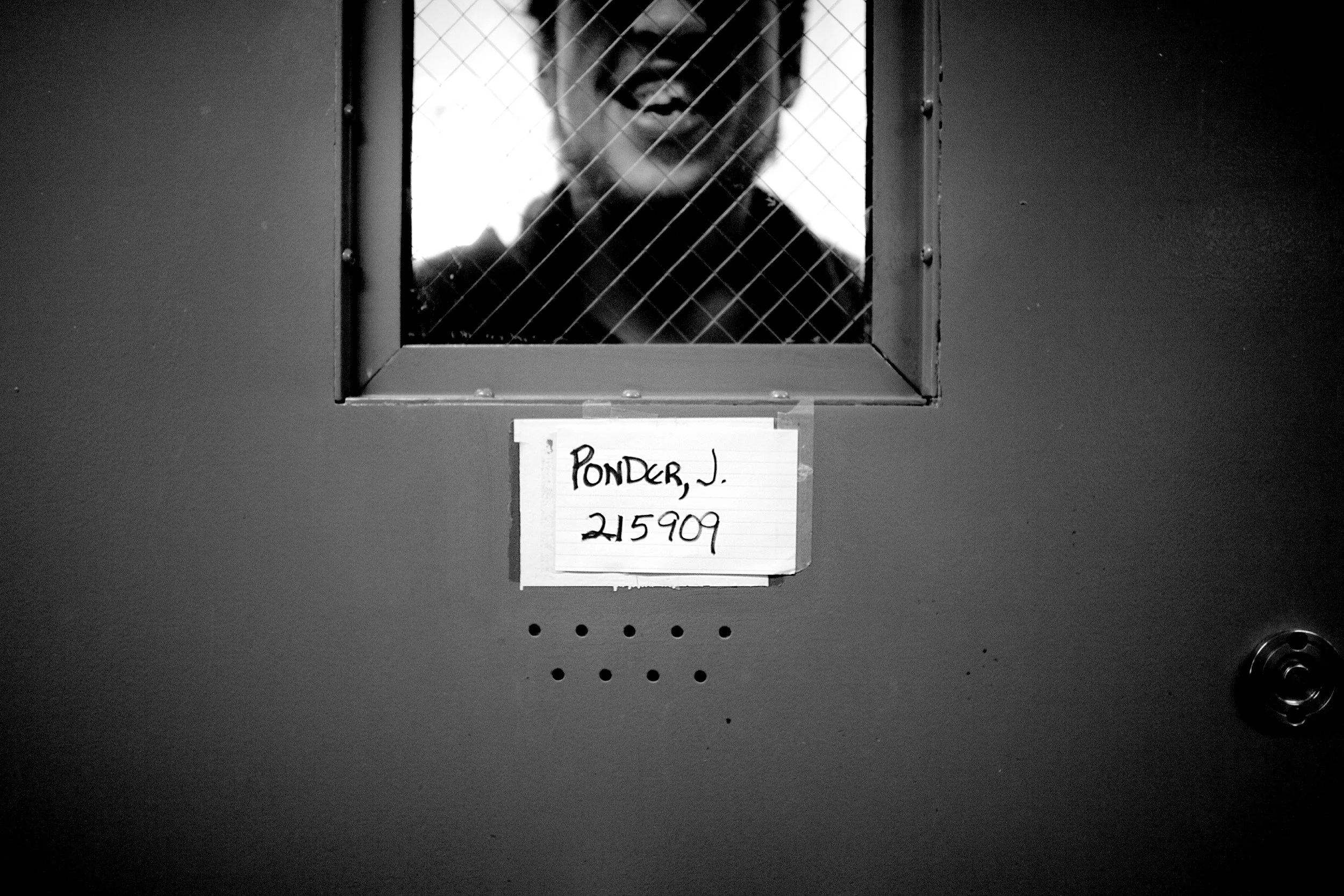
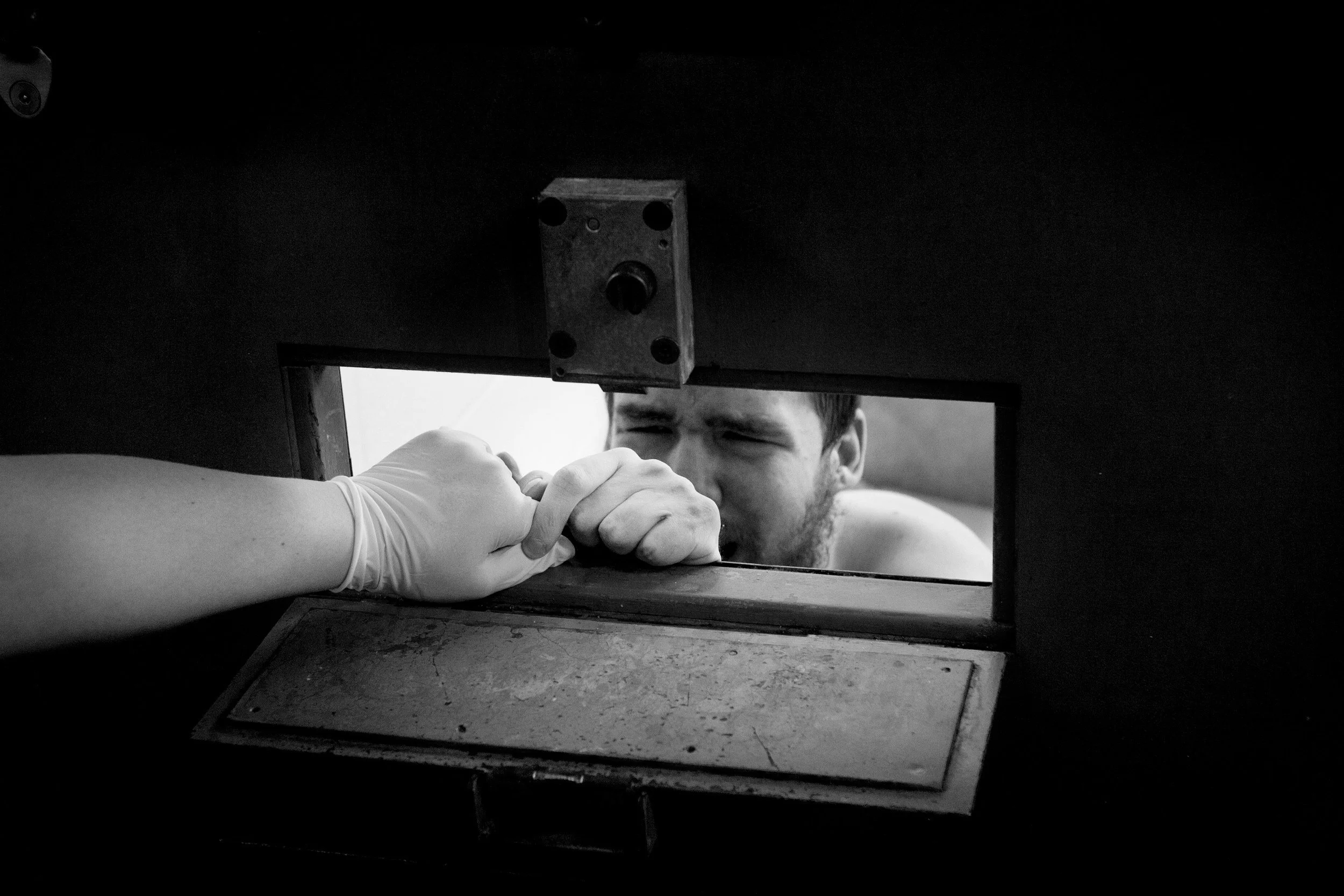
A man has been singing songs at the top of his lungs for the last two days, while another, hunched on his bed, wails from under a blanket. In a cell across the hall, a man shakes as he yells to his wife he has not seen in five years and to the thug down the street. In reaction to the noise, another man bangs endlessly on his cell door until an officer comes by and asks him to stop. He smiles and says he just wanted someone to talk to.
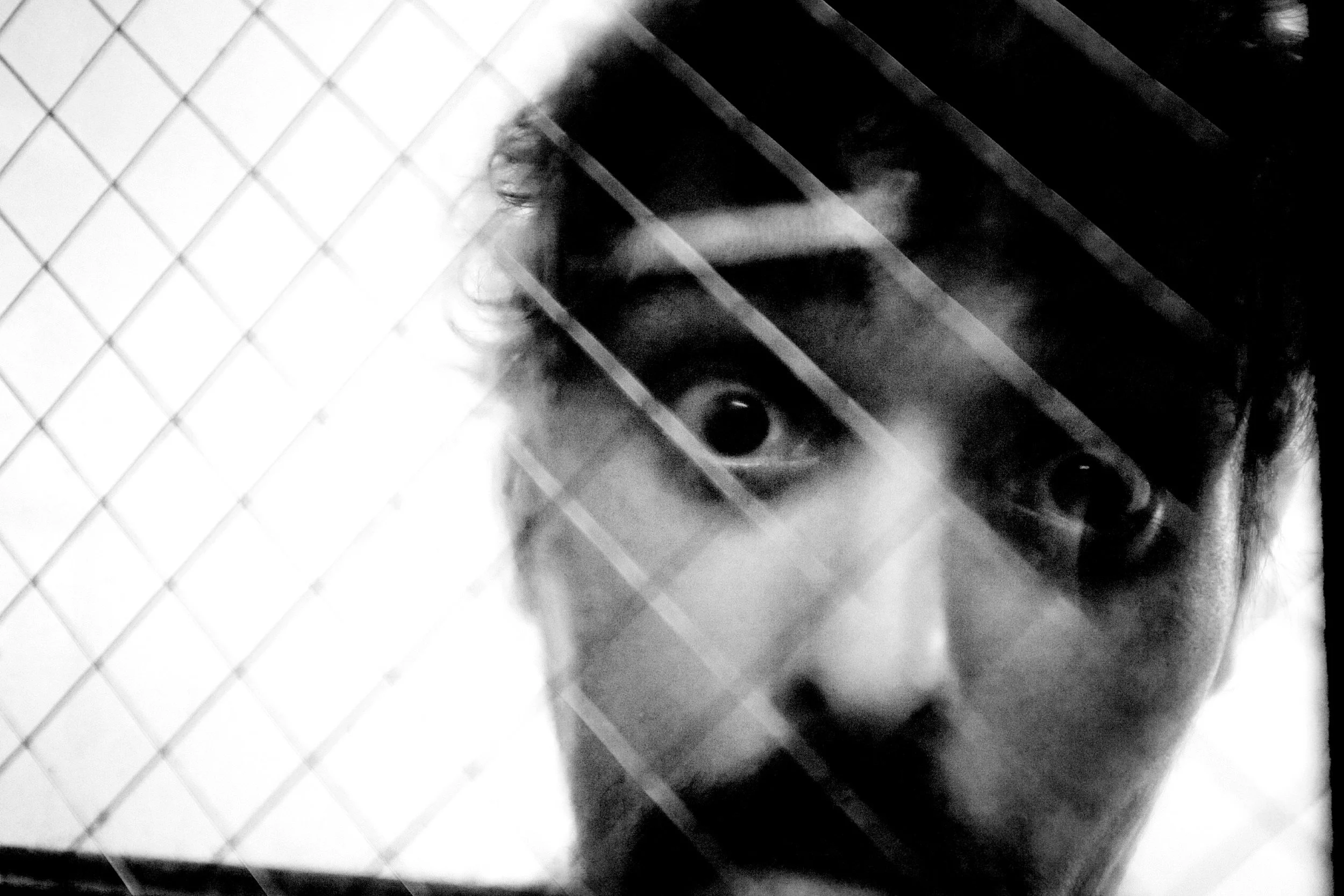
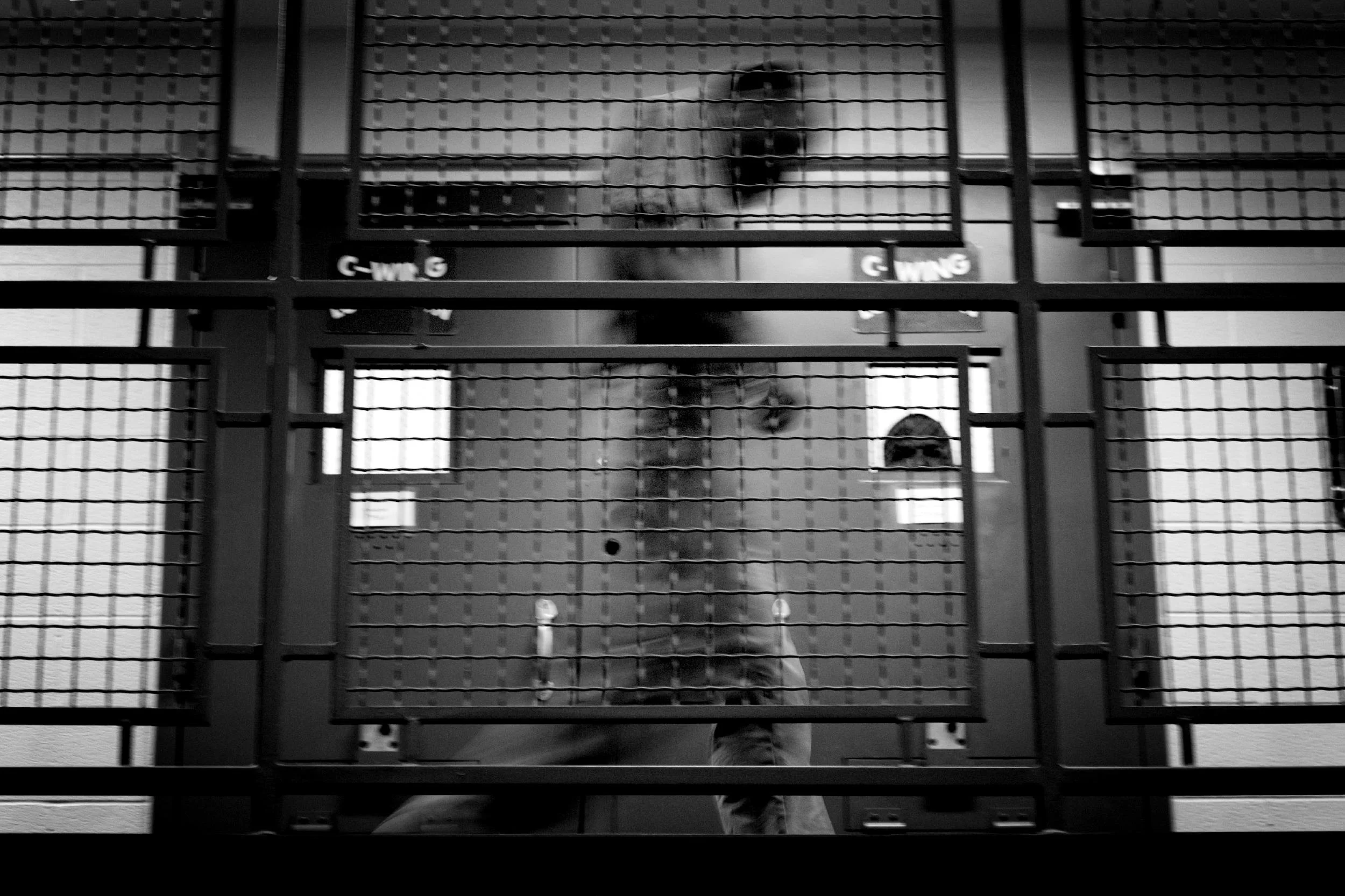
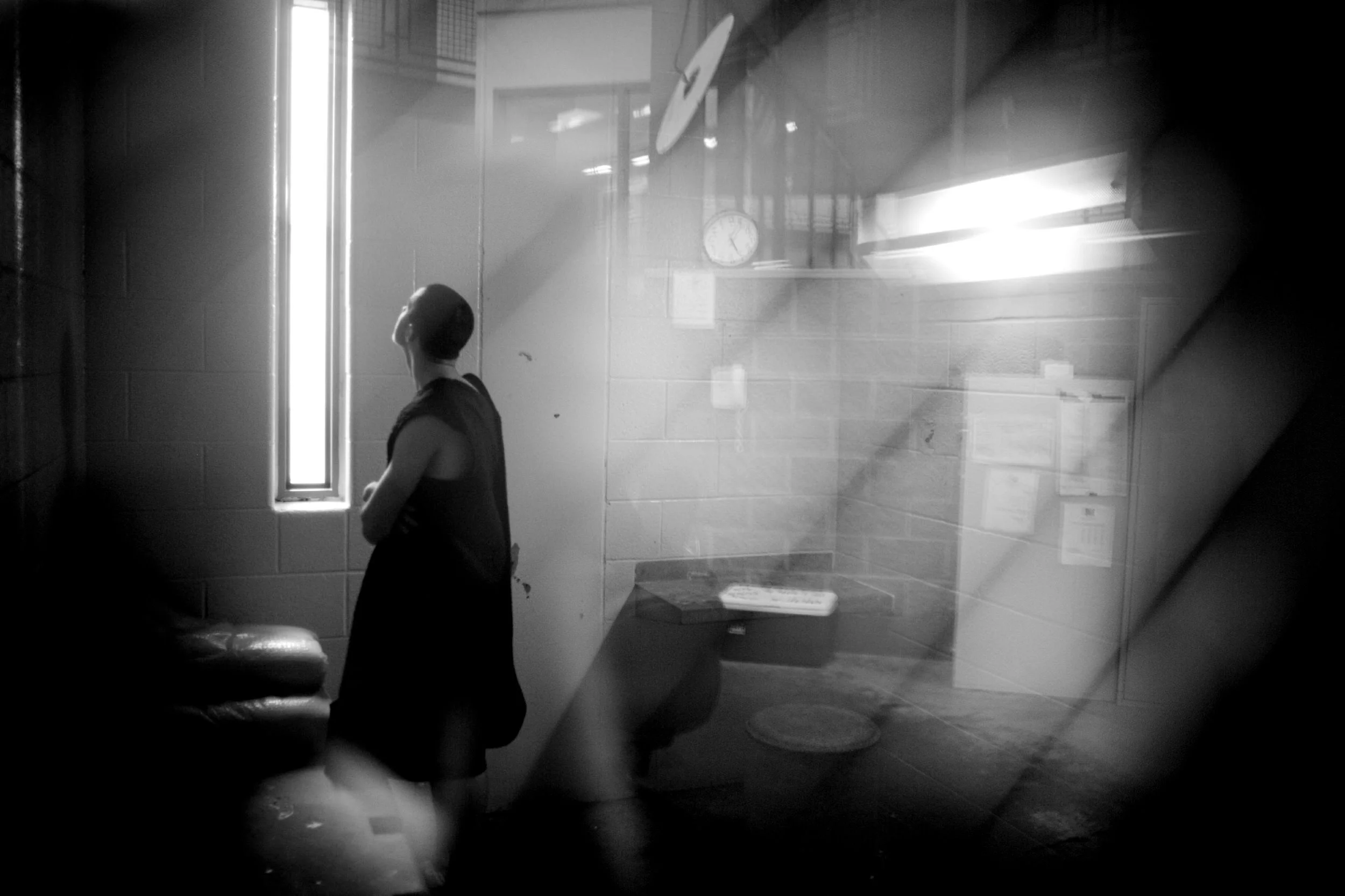
Trapped portrays the life and conditions of prisoners with mental illness in American prisons. My hope is that this long-term project triggers a dialogue not only about prison reform but the mental health crisis in America.
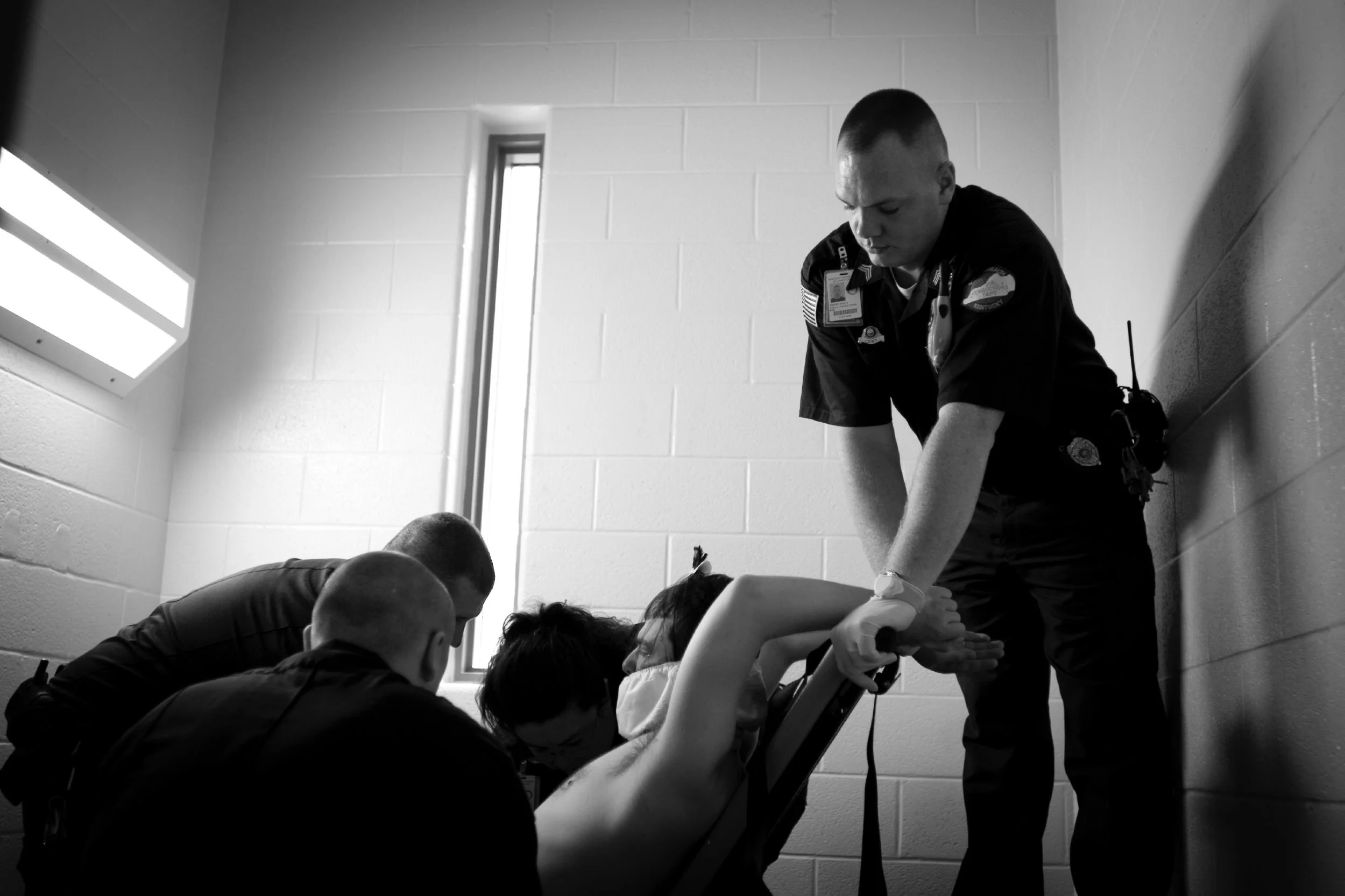
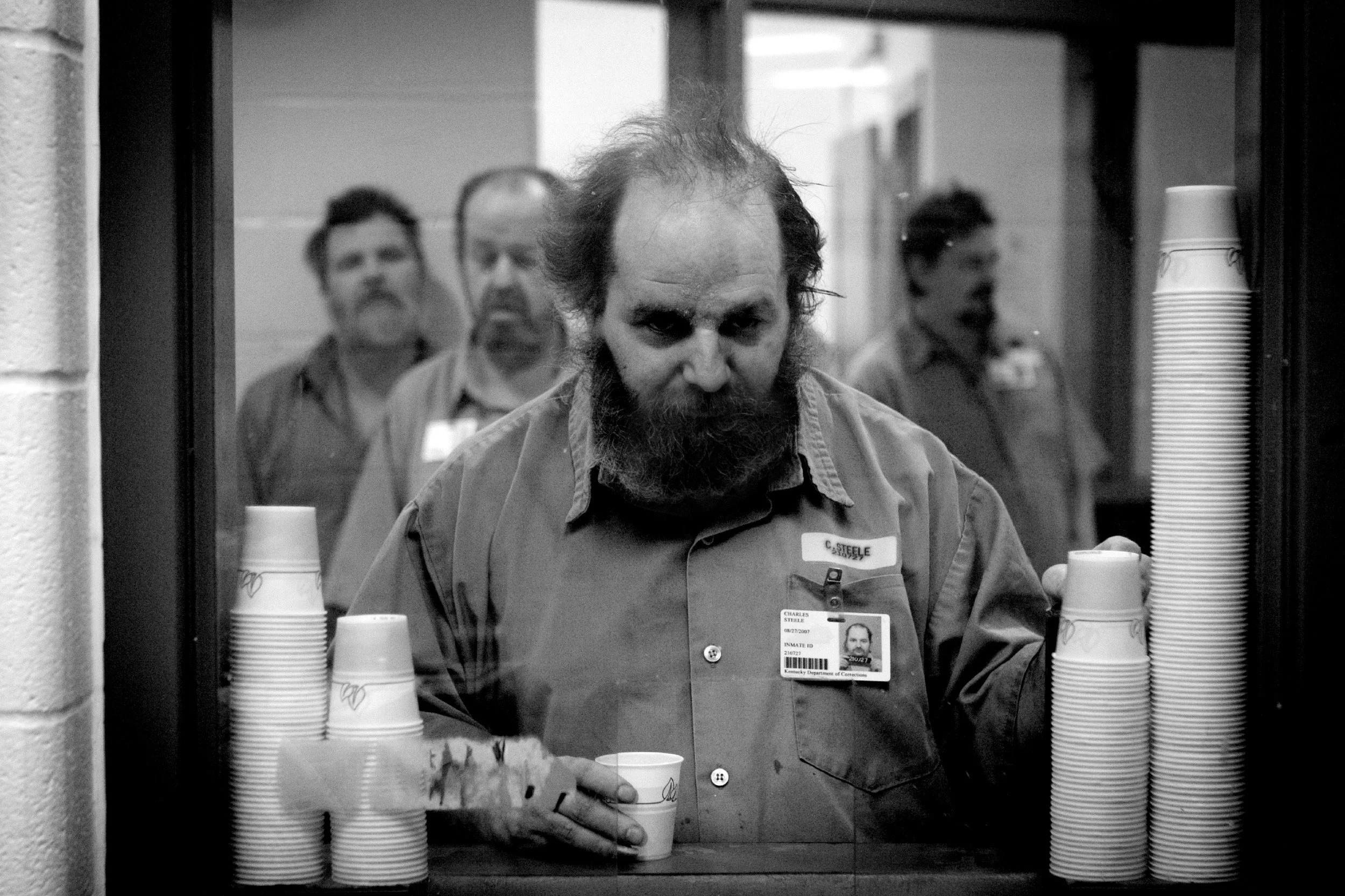
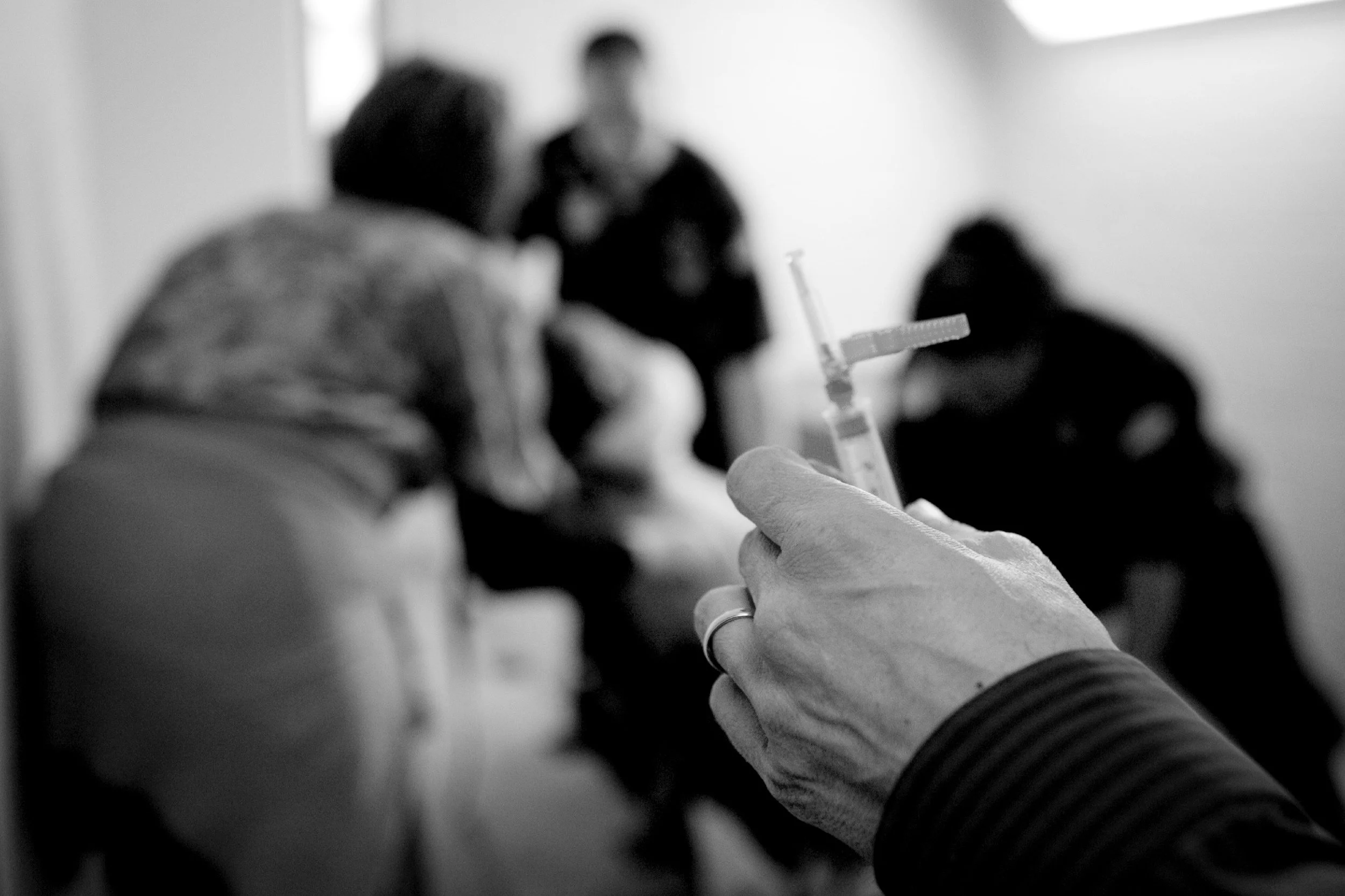
“We are the surrogate mental hospitals now,” says Larry Chandler, warden at the Kentucky State Reformatory in La Grange, Ky. With the rising number of mentally ill, the reformatory was forced to rebuild a system that was designed for security. Never intended as a mental health facility, treatment has quickly become one of their primary goals.
Unfortunately, this situation is not unique to Kentucky. The continuous withdrawal of mental health funding has turned jails and prisons across the U.S. into the default mental health facilities. As a result, the prison system designed for security is now forced to address mental illness. Furthermore, mentally ill patients are now trapped inside these ill-equipped facilities with nowhere else to go to receive the necessary treatment for their condition.
The problem with the mental health system in the United States did not spring up overnight. Since the 1960s, there has been a shift from housing the mentally ill in hospitals to locking them in prison. The goal was to reduce the number of mental health patients housed in government-operated institutions and to shift the care to local communities to handle their special needs. However, that did not happen and these people were left without access to treatment and adequate housing. Many of them now find refuge and treatment for the first time in the prison system, one that is ill-equipped for this population.
According to the U.S. Department of Justice, the number of Americans with mental illnesses incarcerated in the prisons and jails is disproportionately high. In Kentucky alone, where I photographed Trapped, it is estimated that 25 percent of all the state’s prisoners have a serious mental illness such as schizophrenia and bipolar disorder, and more than 45 percent are on psychotropic drugs.
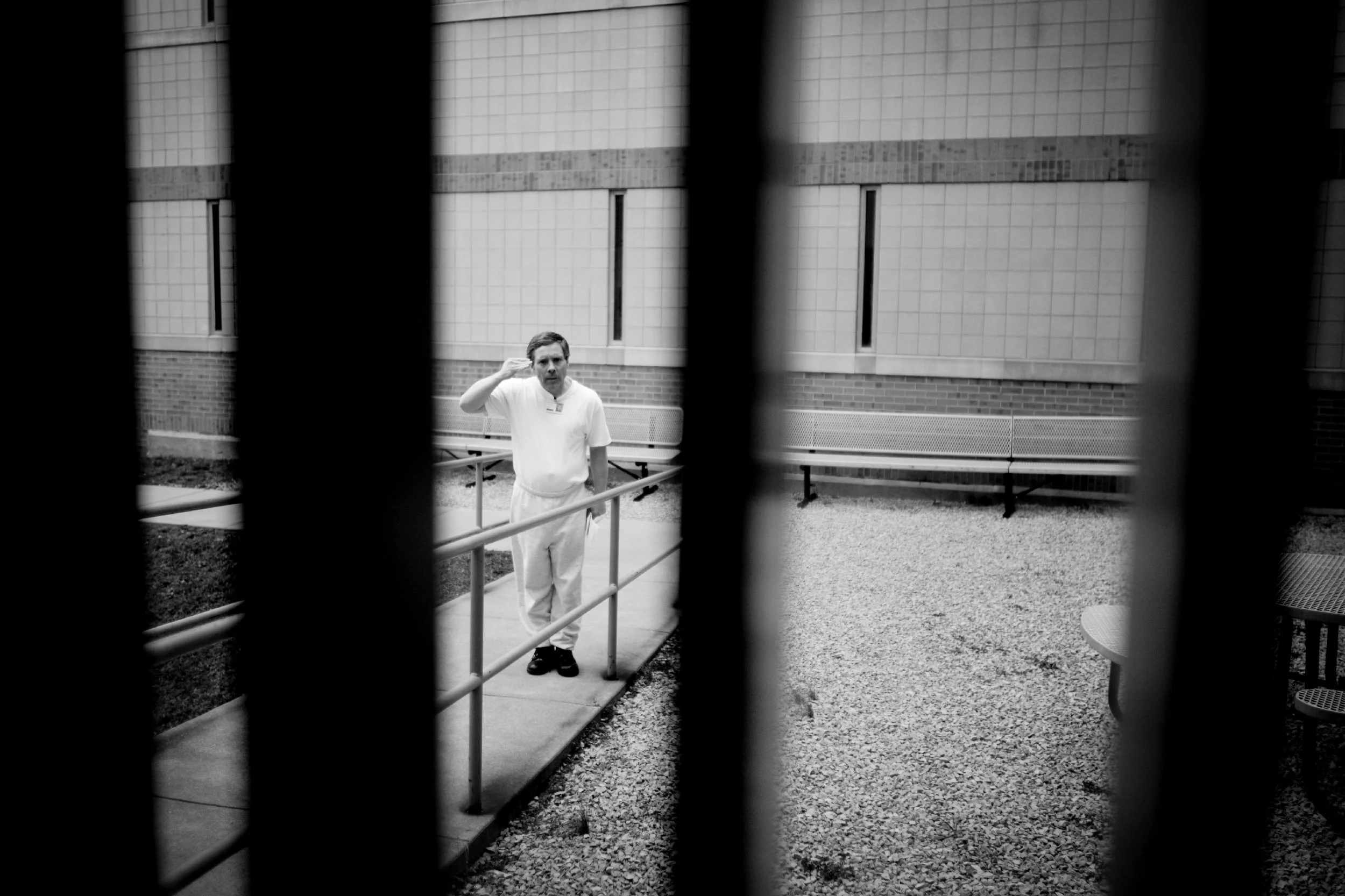
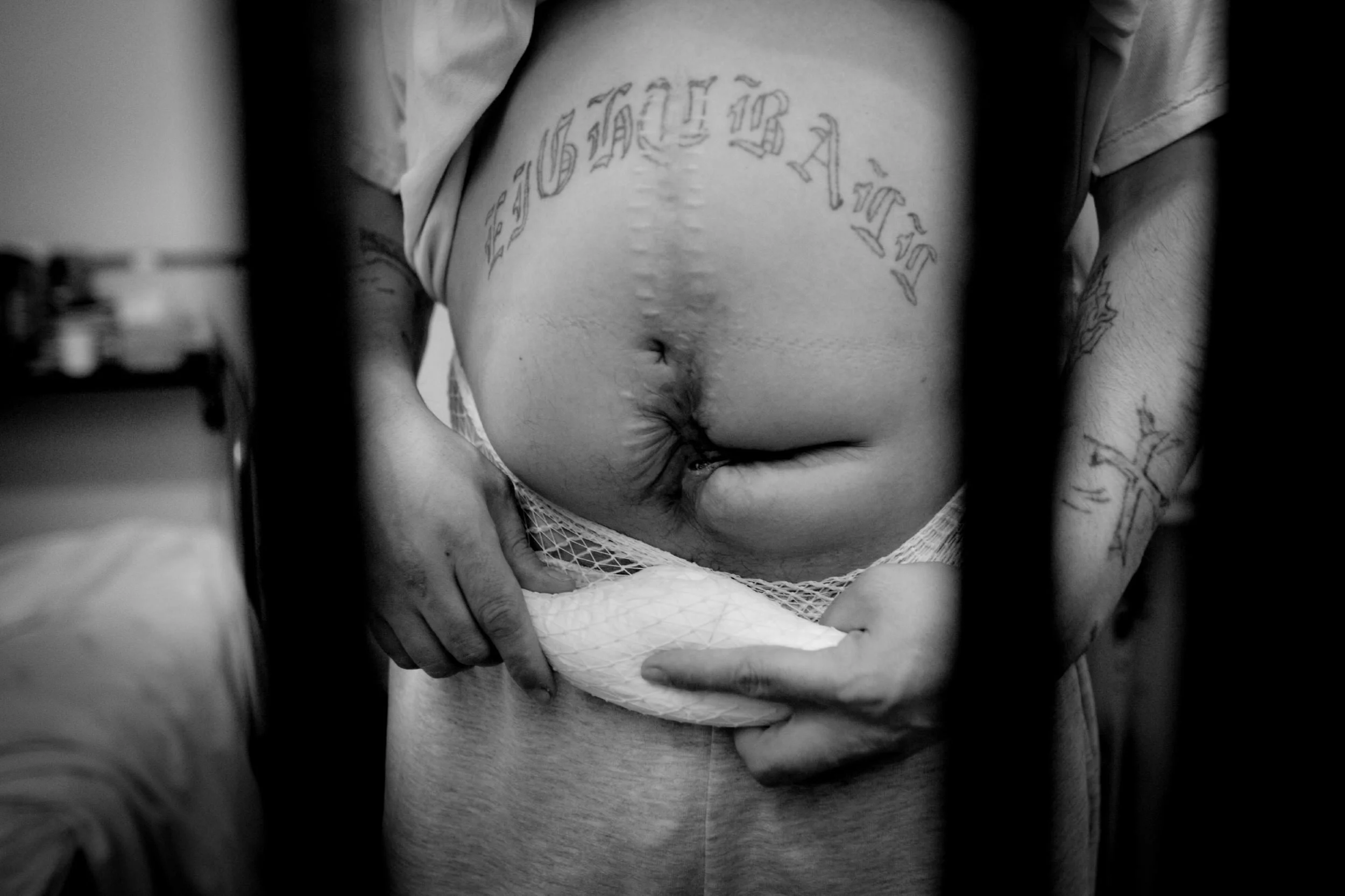
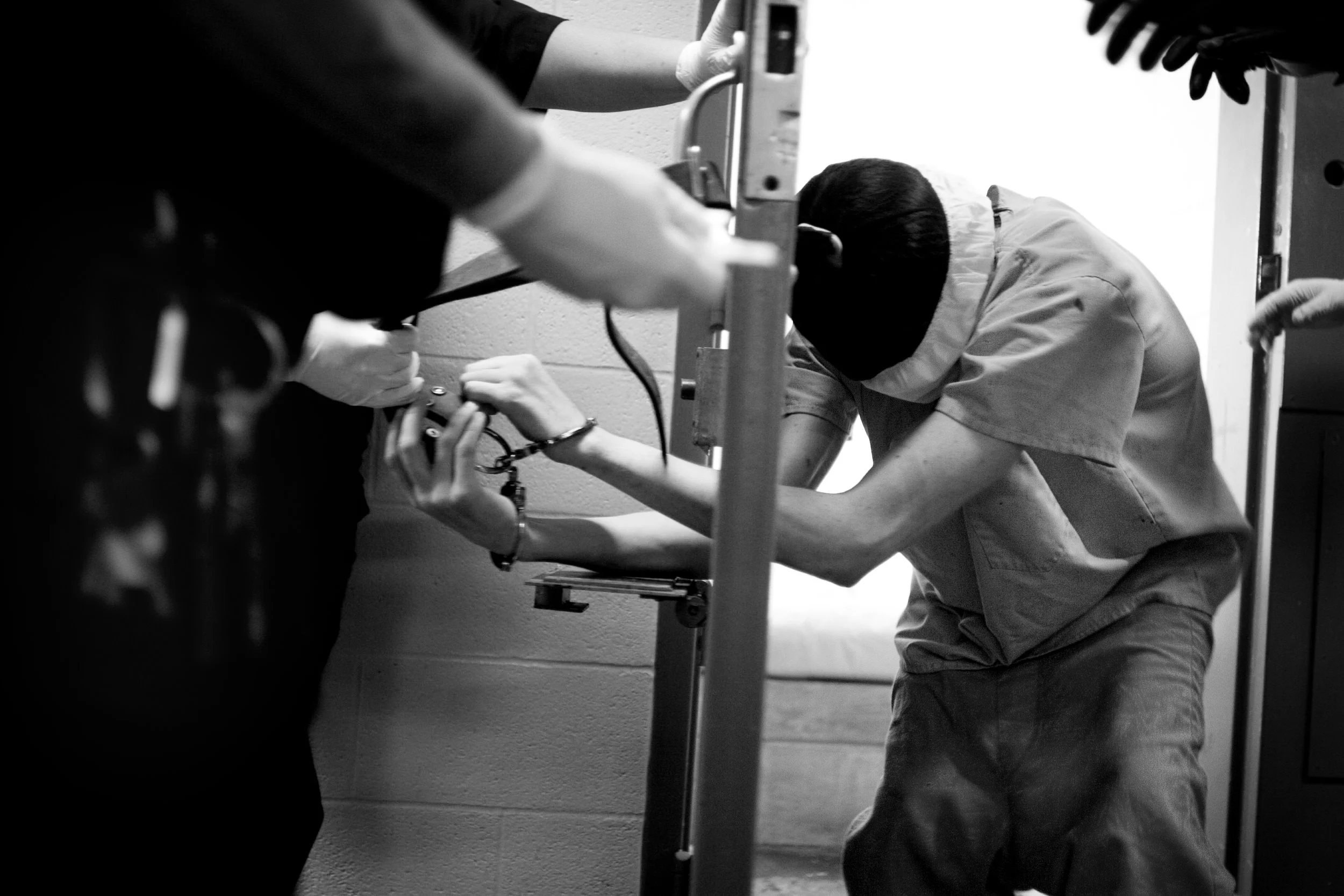
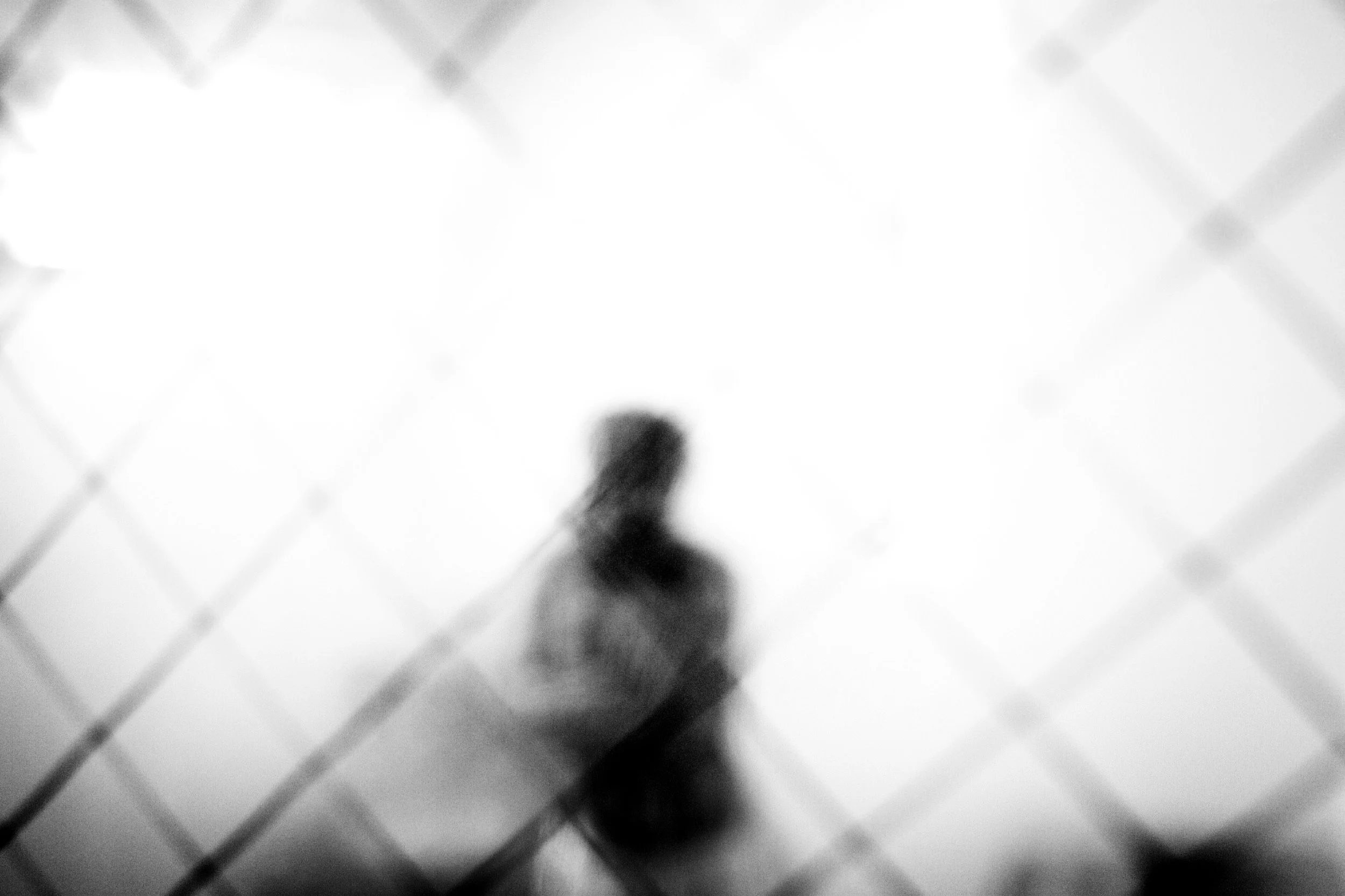
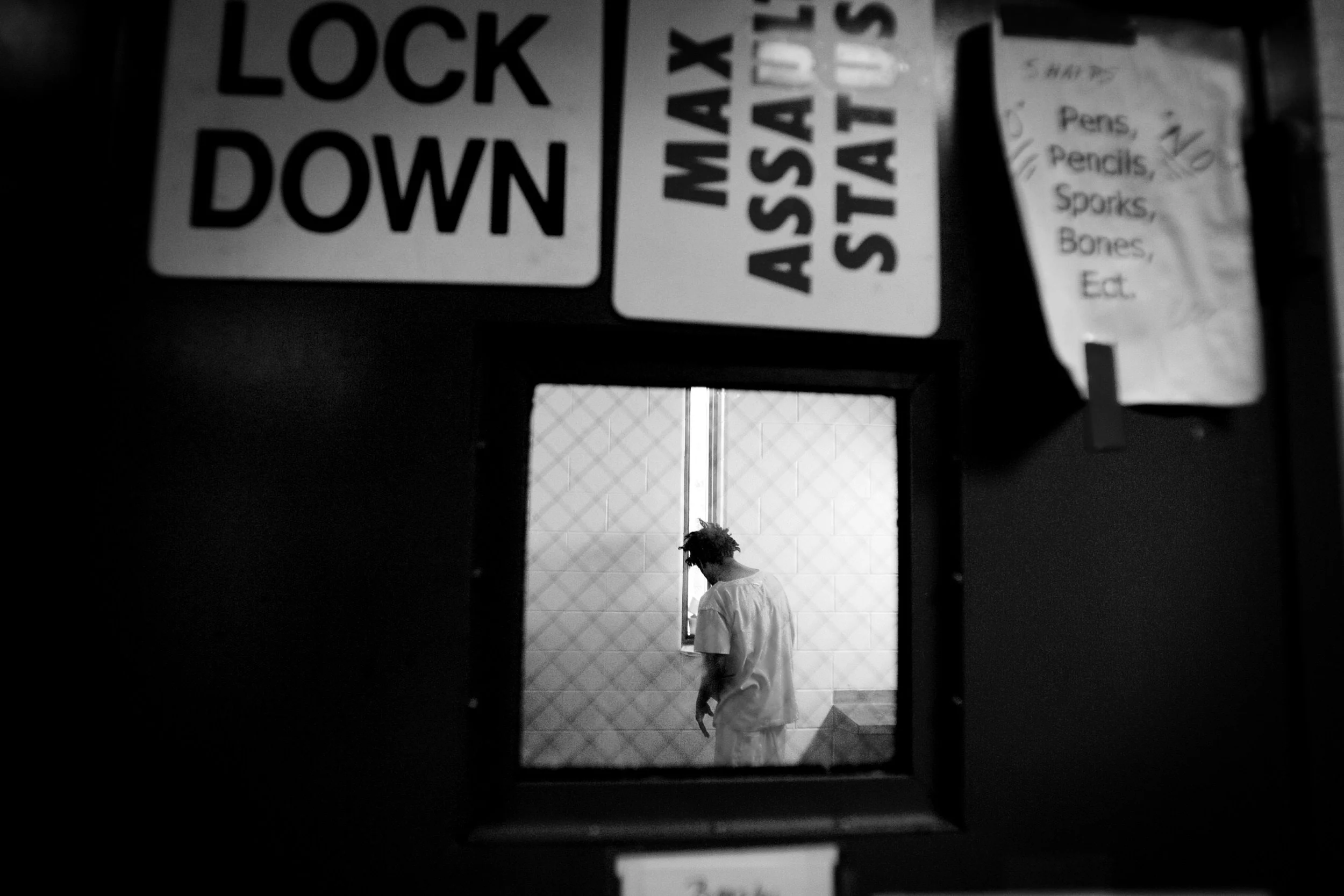
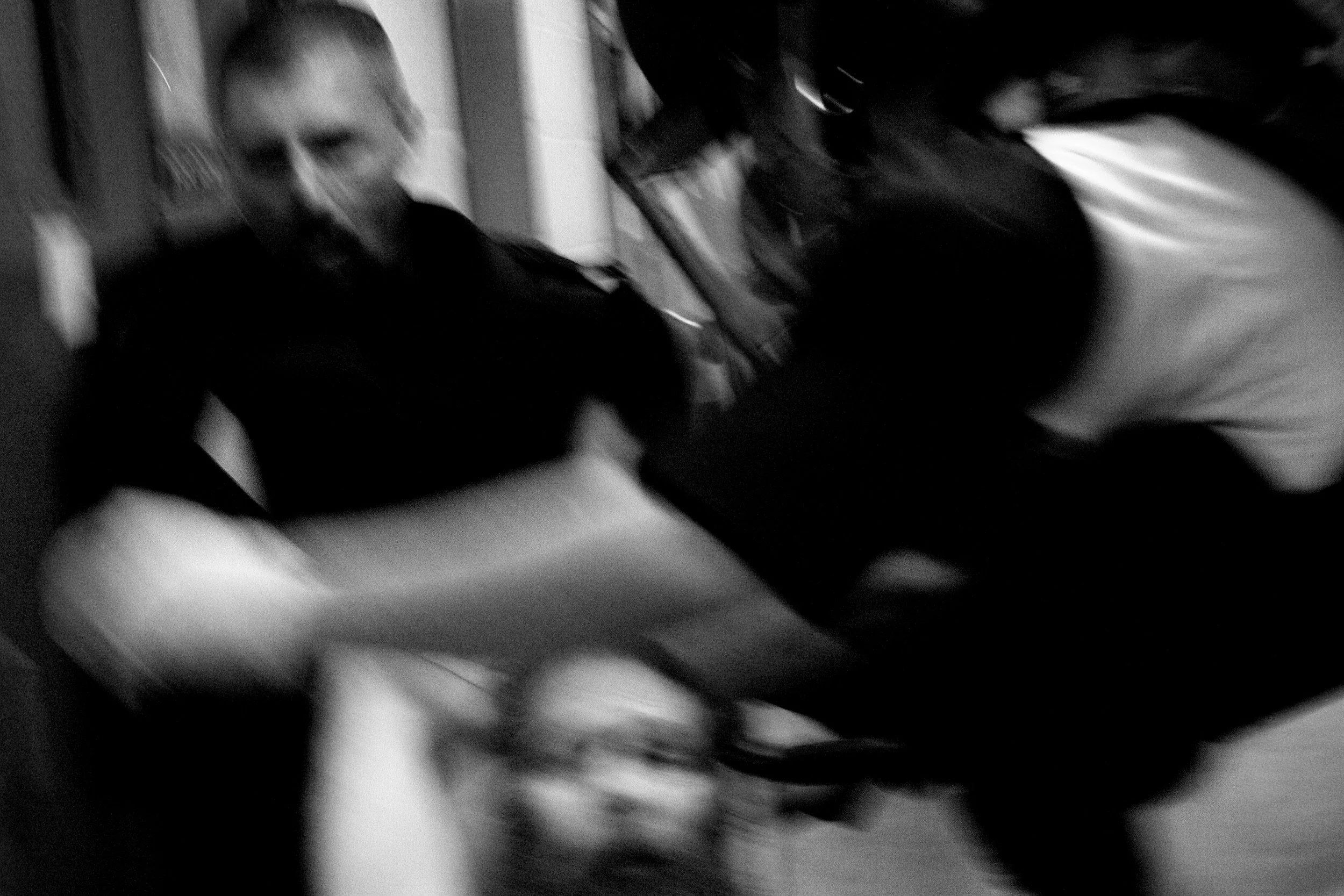
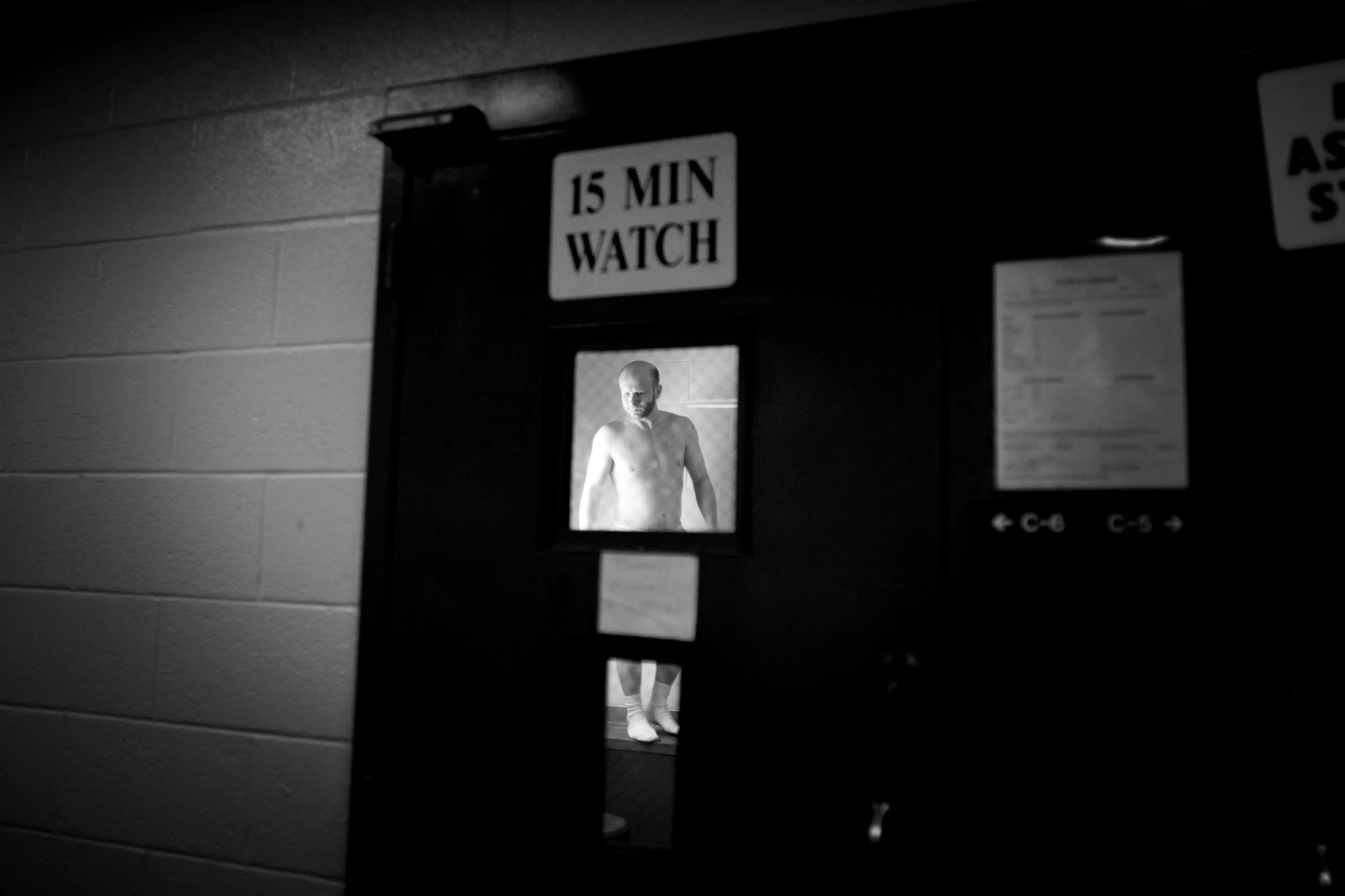
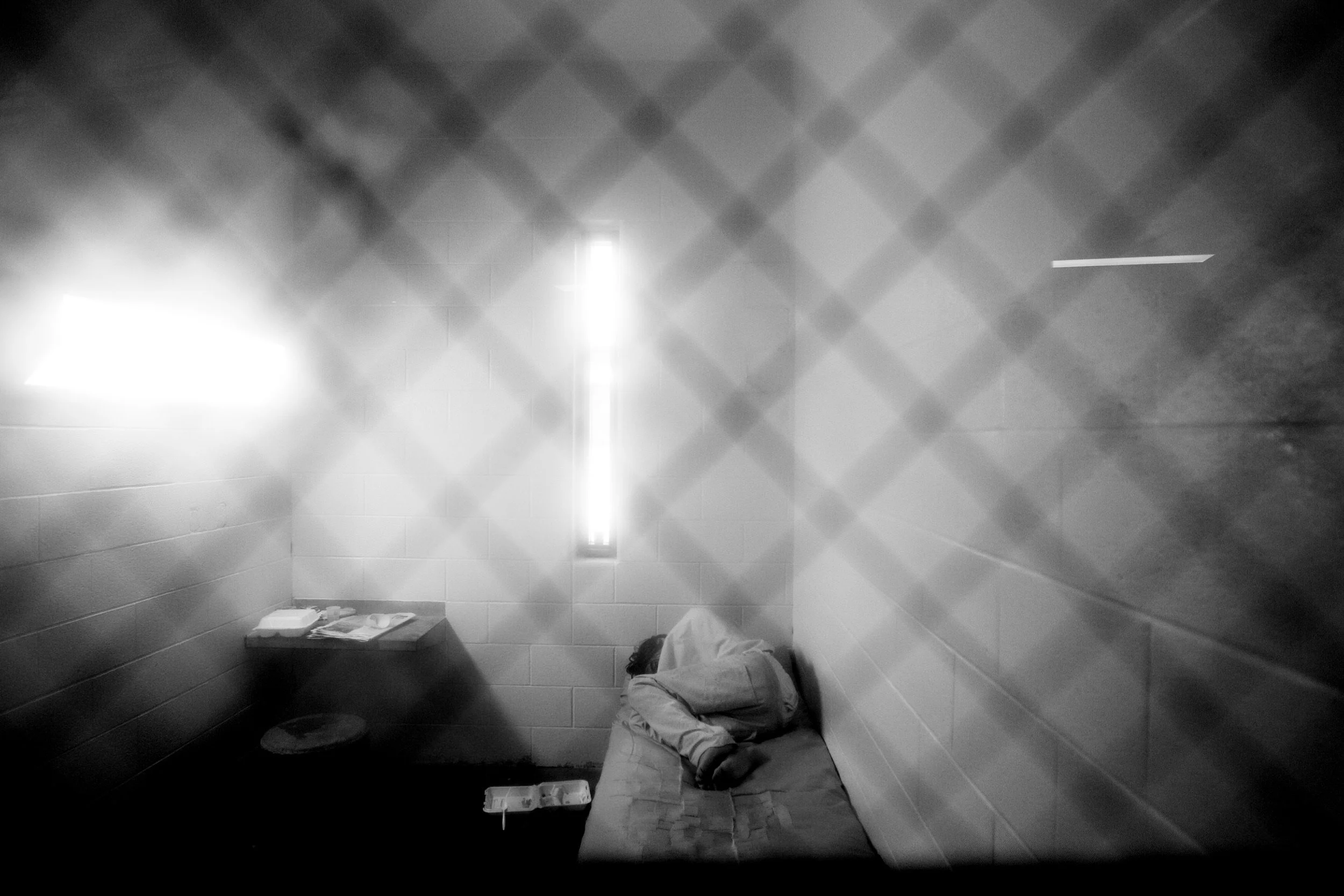
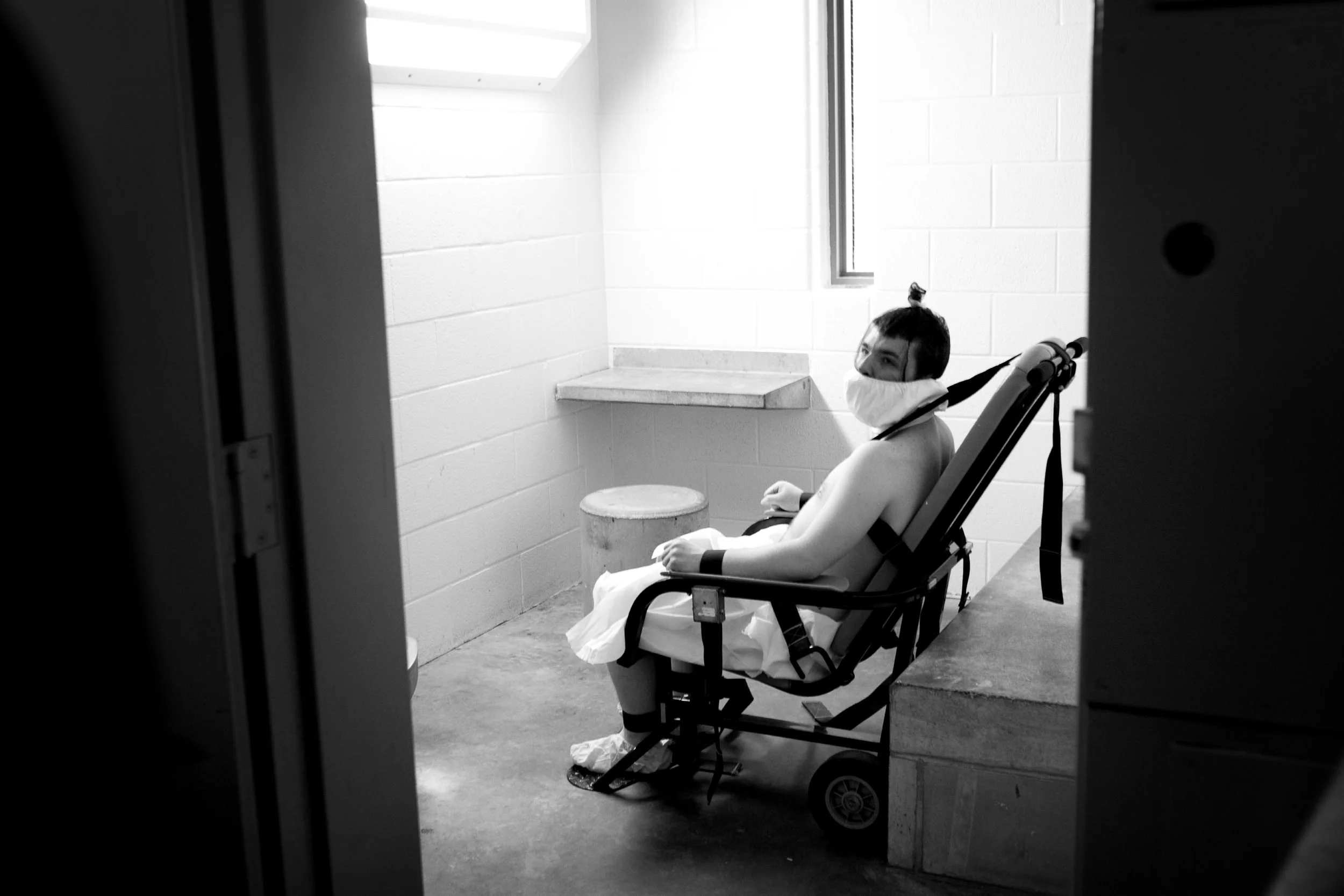
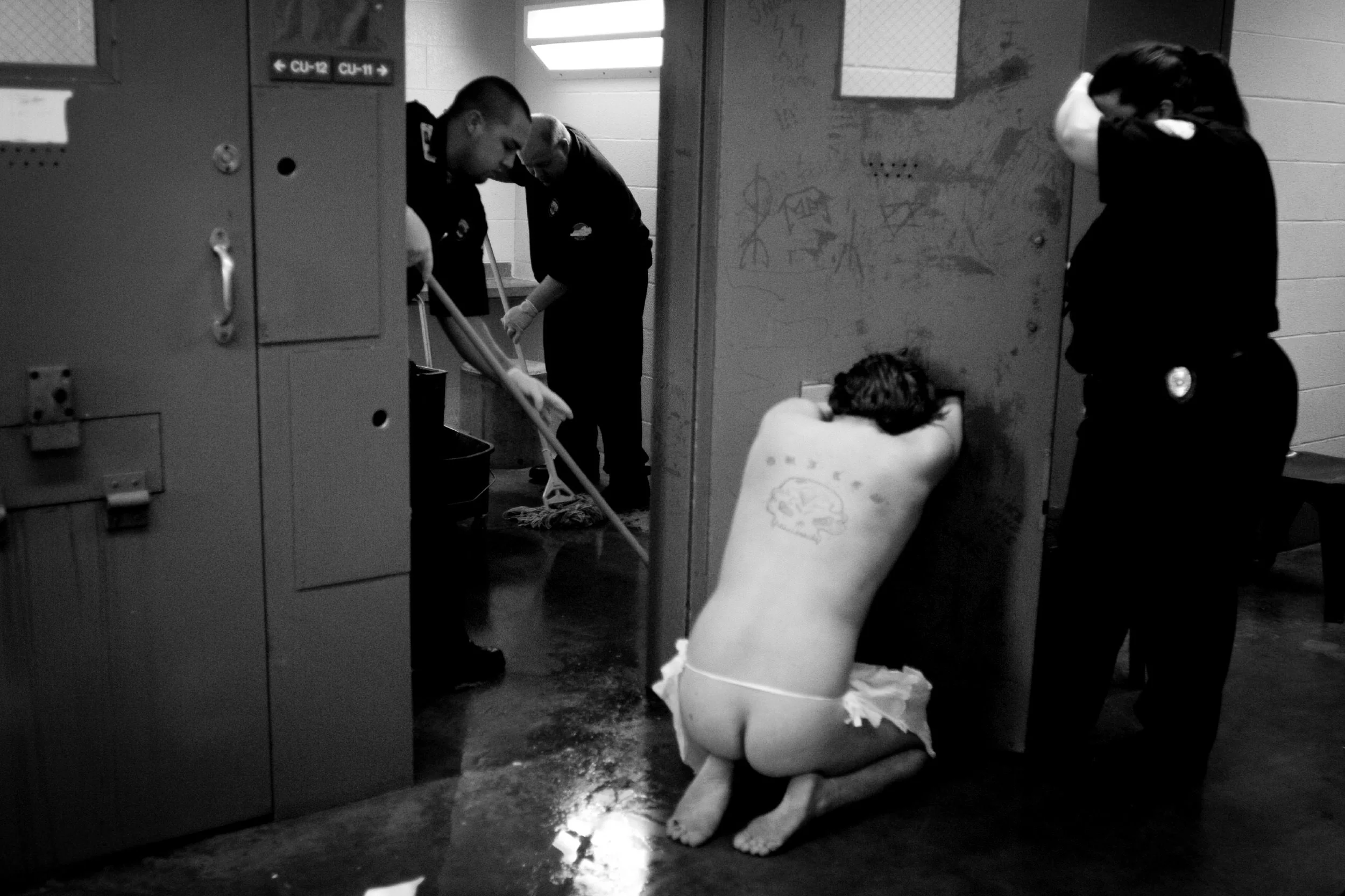
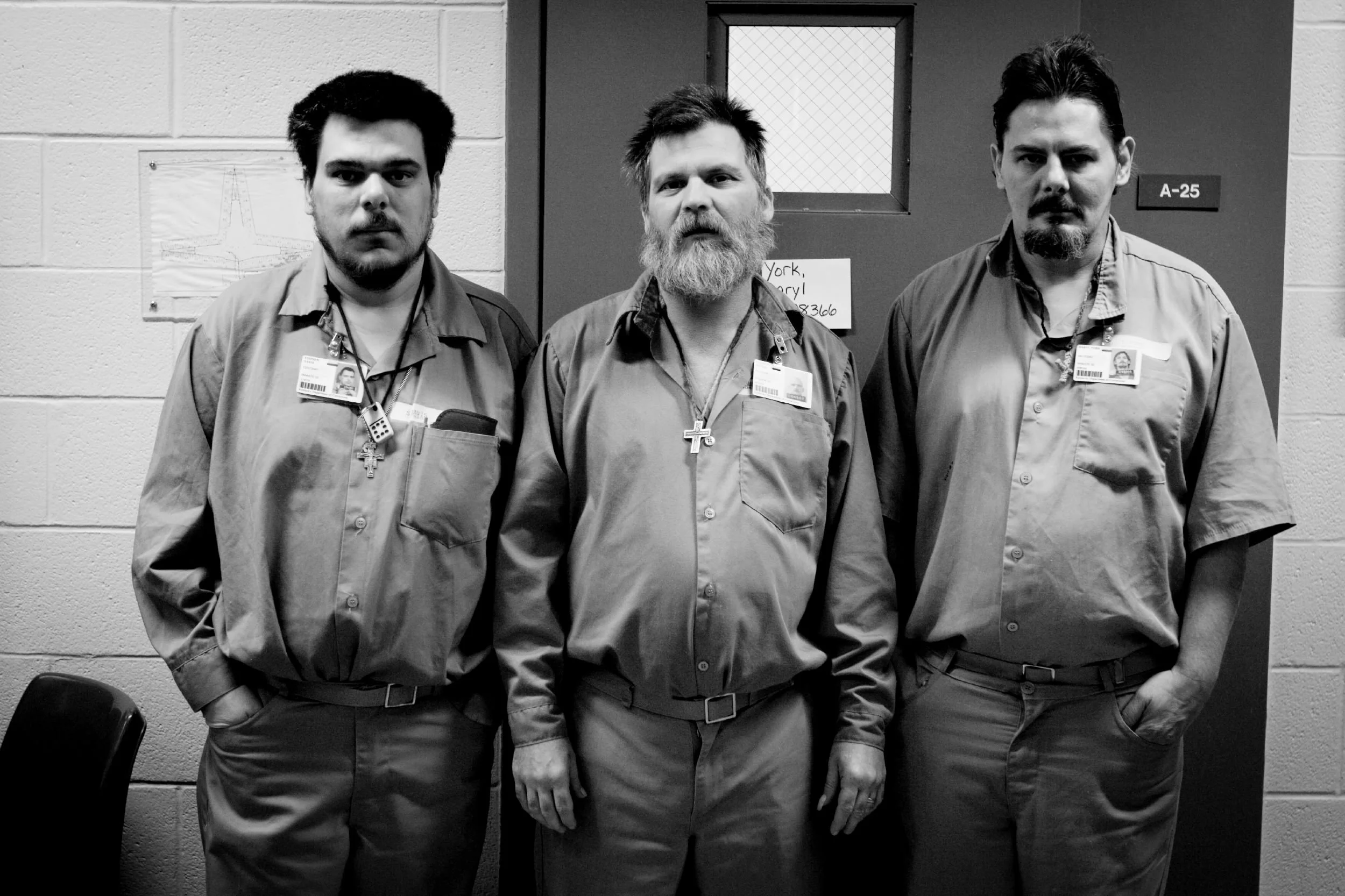
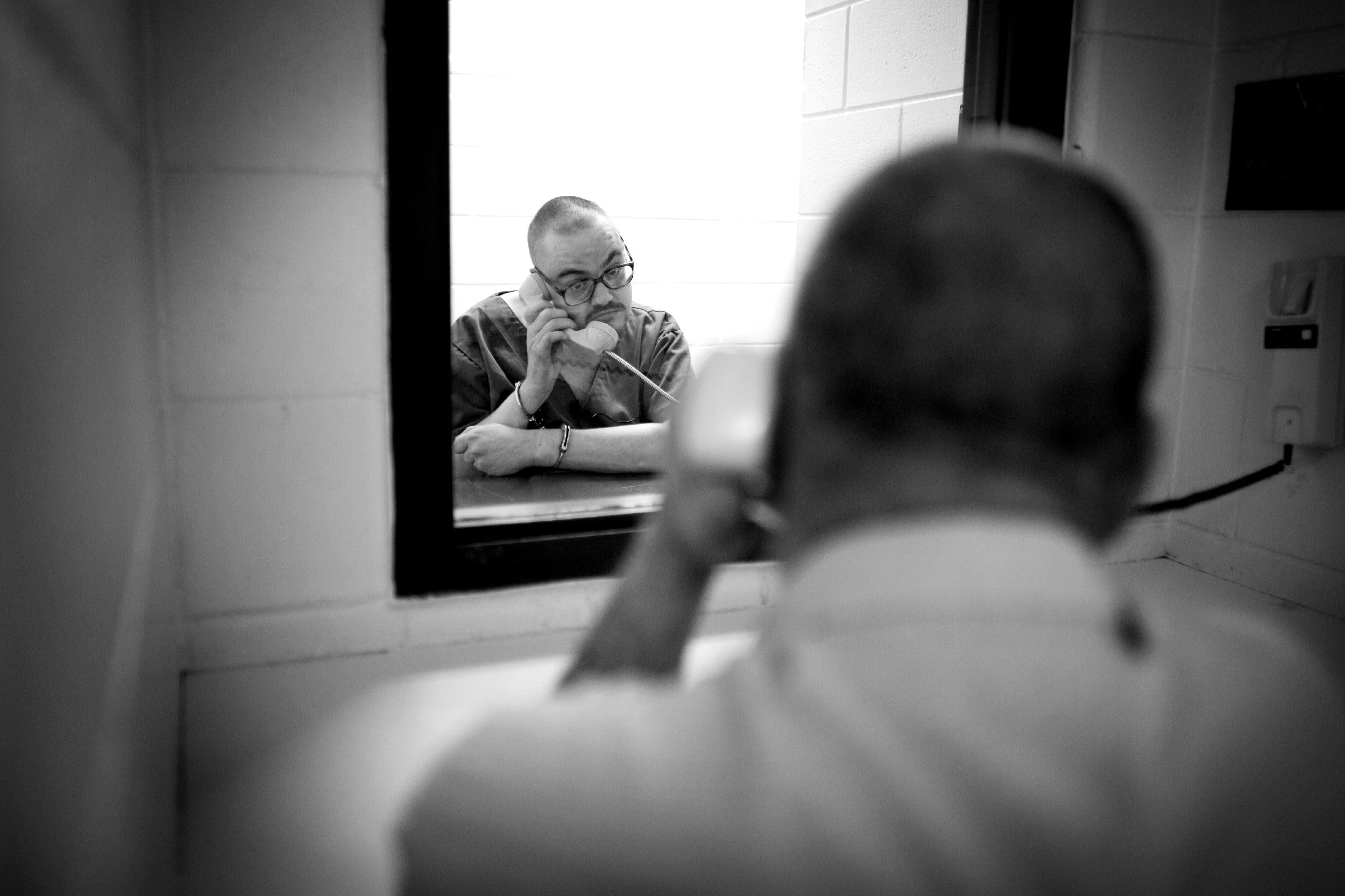
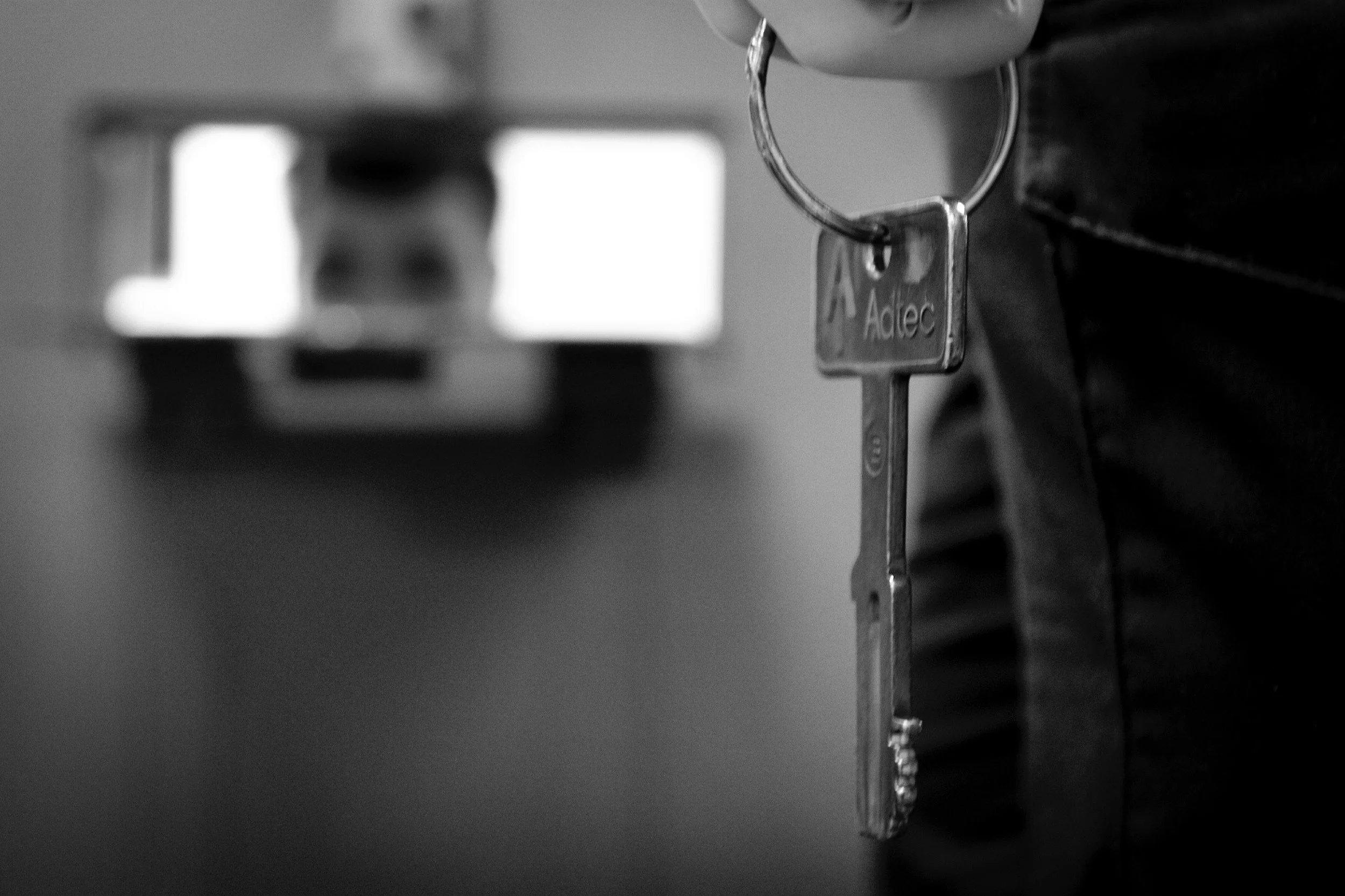
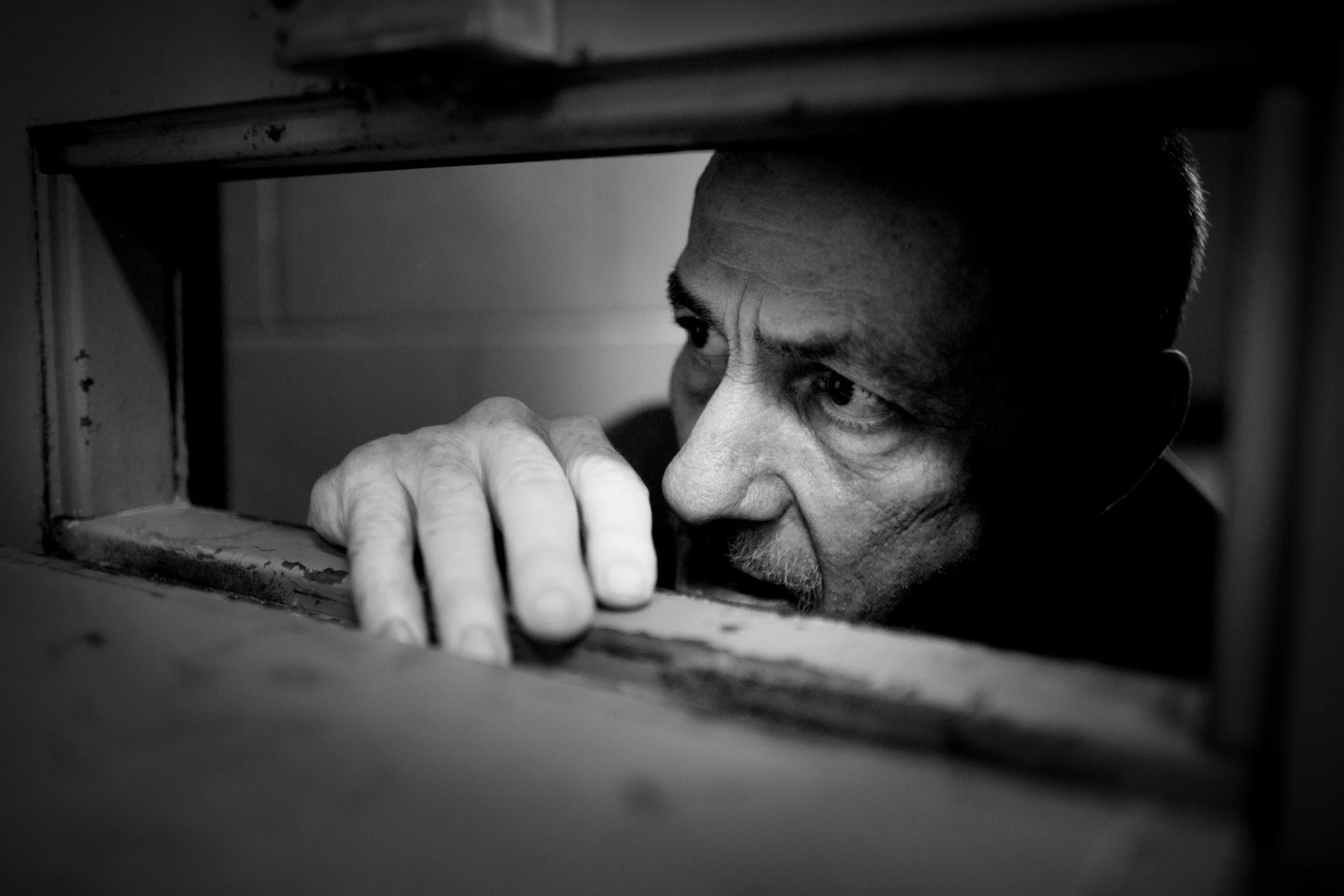
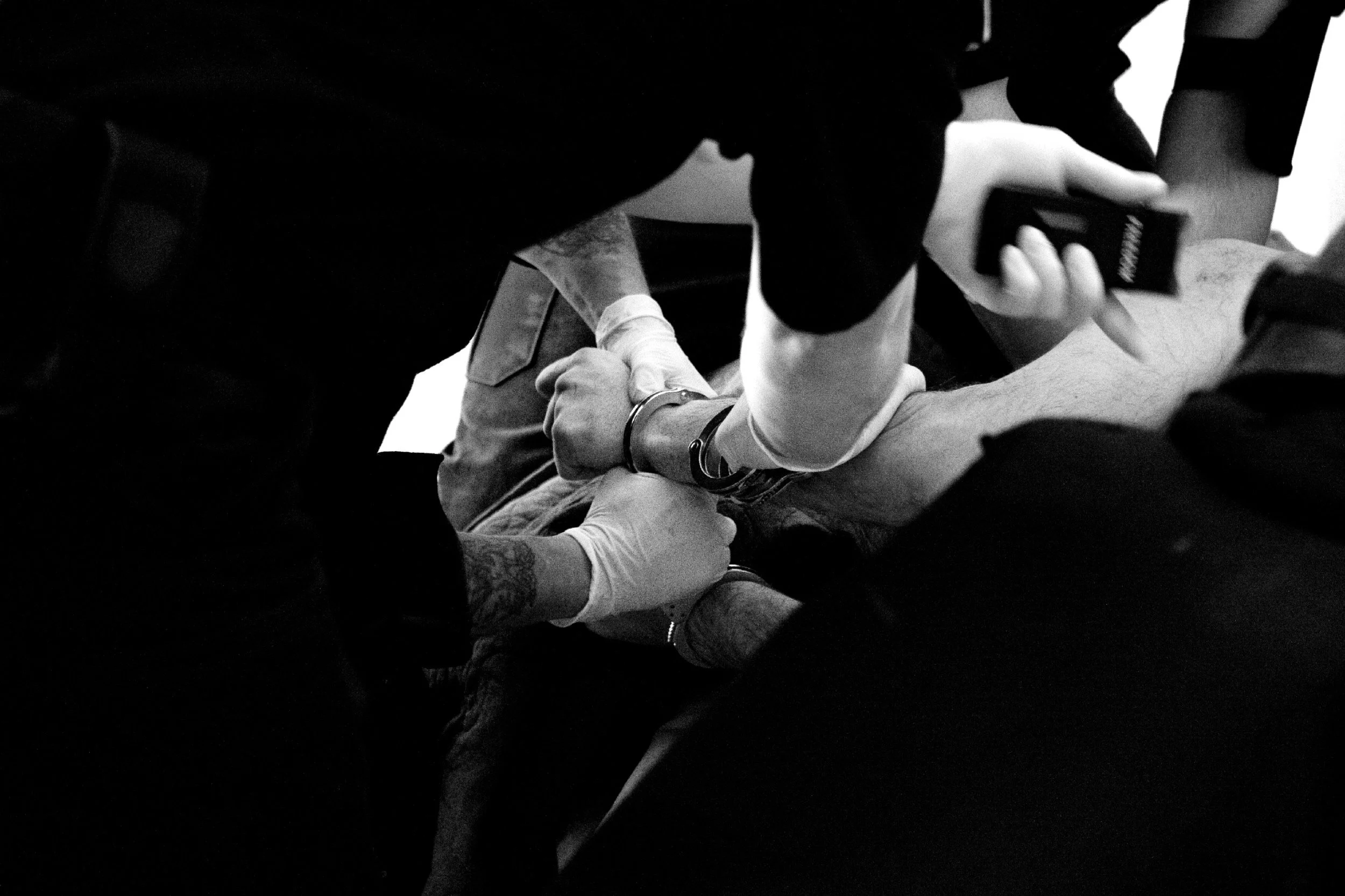
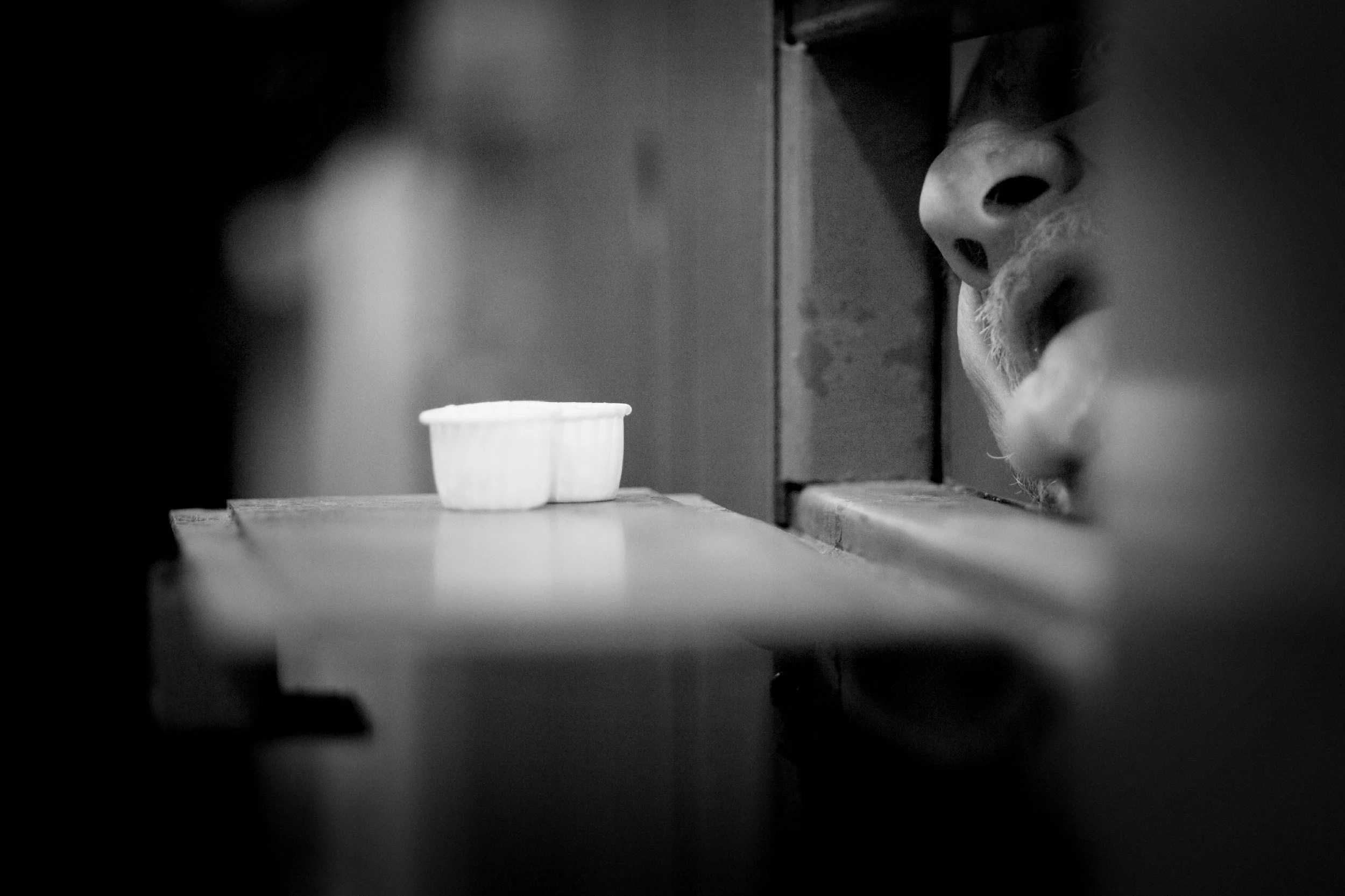
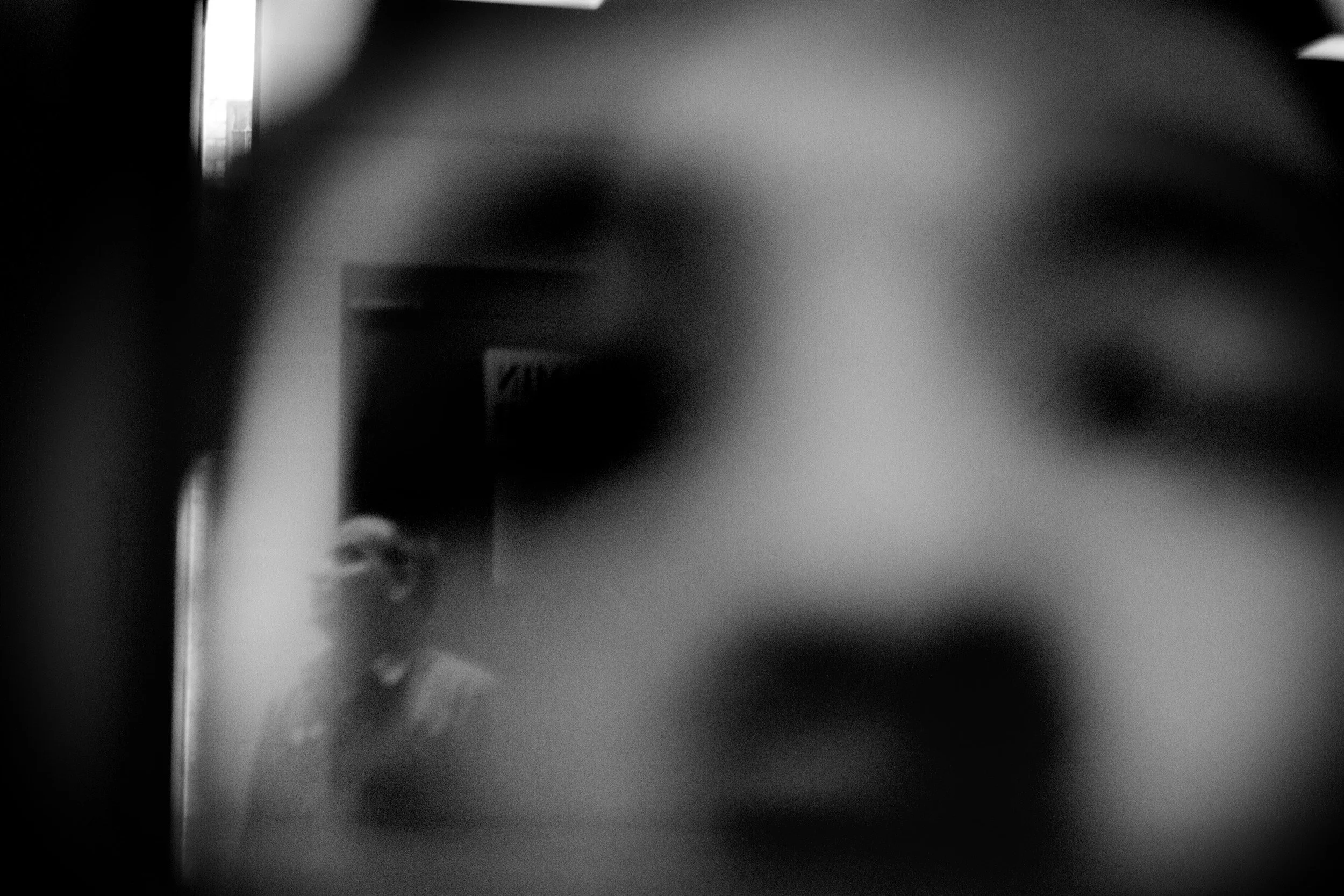
This project portrays the daily struggle inside the walls of the prison unit redesigned to treat men with mental illness and maintain the level of security required in a prison. The photos take viewers into an institution where the criminally insane are sometimes locked up in their cells for 23 hours a day with nothing to occupy their minds but their own demons. I witnessed these men cry. I saw them hit themselves so hard in the head that they bled. I watched as they threw their feces at the officers with anger and desperation. I witnessed a reality most people do not even know exists in America. These men are outcasts of society and their voices are rarely heard.
Mental illness has become an increasingly important issue in the United States due to recent mass shootings, prison incarceration rates, and the healthcare crisis in America. While this is a topic that has been covered in third world countries, we have yet to see an in-depth photo documentary on the treatment of the mentally ill in American prisons. Thus, this story is one I am honored to tell given the access that I was granted. There needs to be a shift in the way our society sees mental illness, and I am hoping this project starts a dialogue about the impacts of imprisoning the mentally ill and the need for more funding for those with mental illness.